Building a Structured Hospital Lead Management Process
Capturing Patient Enquiries Across Every Channel
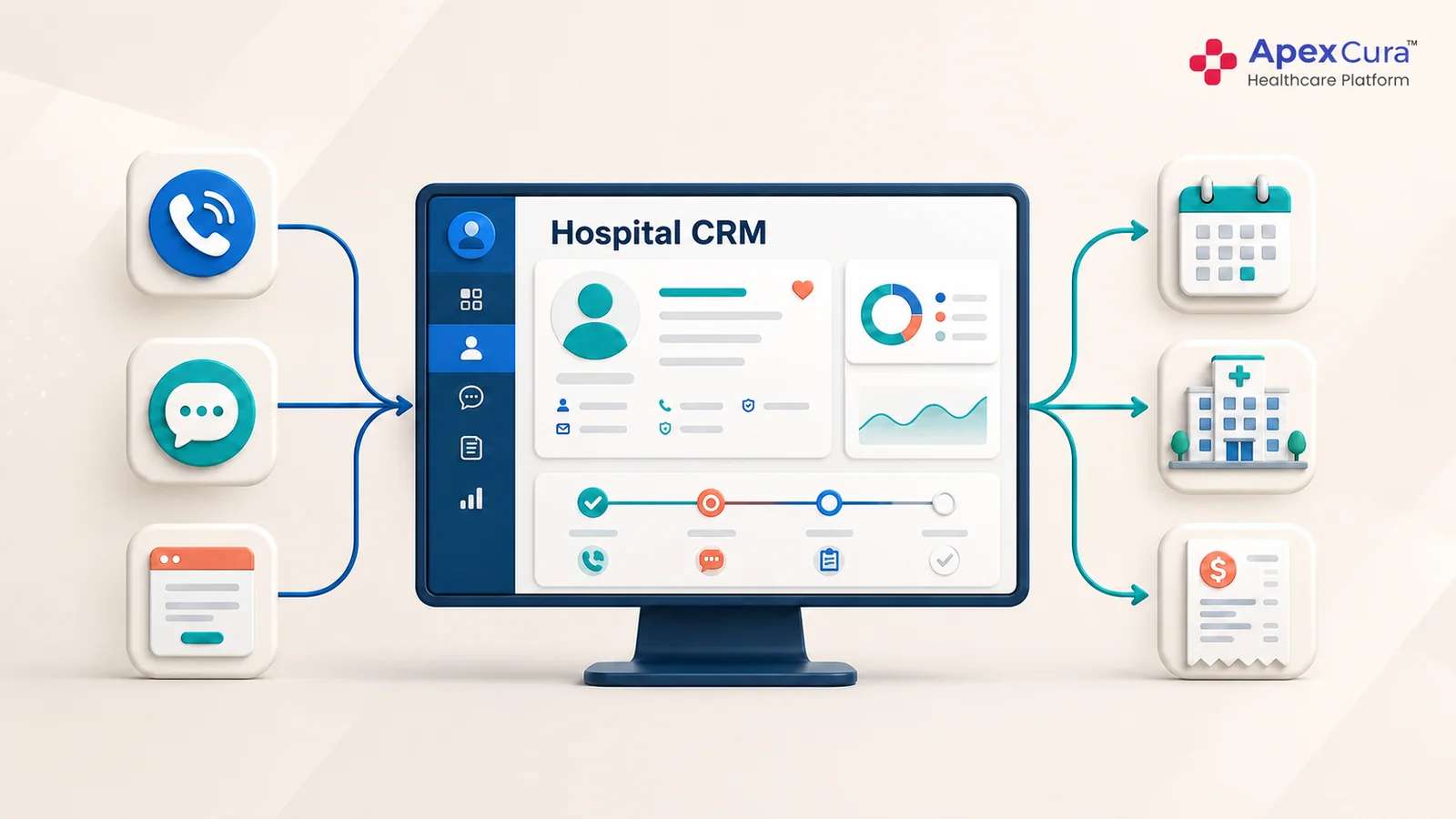
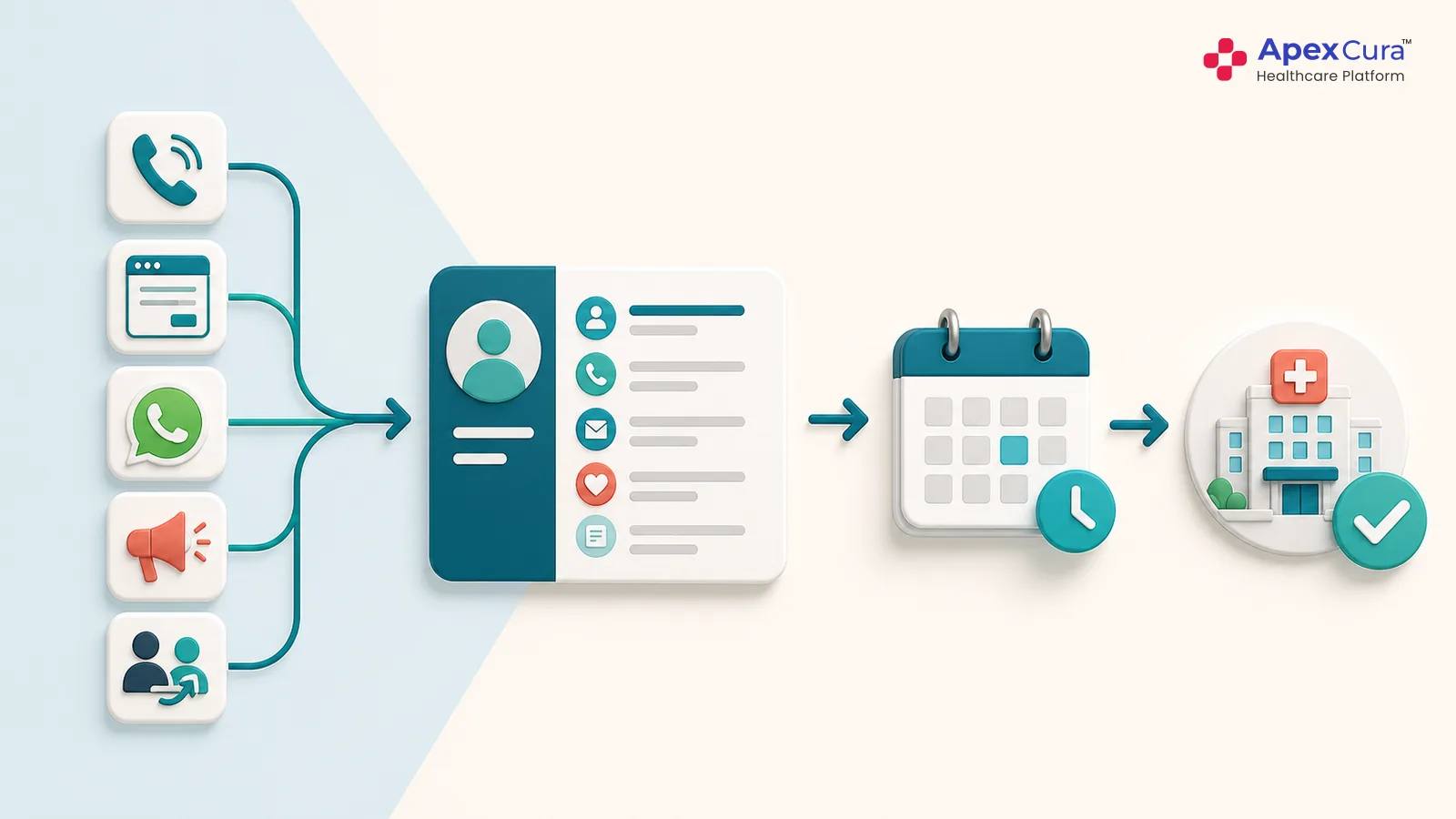
Patient enquiries can reach the hospital through phone calls, website forms, WhatsApp, campaigns, referrals and walk-in conversations. Every valid enquiry should enter one lead management process.
- The record should capture the patient’s need, speciality, preferred location, source and available contact details. Connected channels can create records automatically.
- Staff can add enquiries received through offline channels.
- Clear validation rules help avoid missing details and duplicate records.
- Hospitals should regularly check whether calls, forms and messages are reaching the CRM correctly.
- A patient enquiry that remains outside the system cannot be assigned, followed up or measured.
Classifying, Assigning and Prioritising Hospital Leads
After capture, each enquiry should reach the team best placed to help the patient. Classification may consider speciality, treatment requirement, location, language and patient intent. Hospitals can also identify urgent or high-intent enquiries that need faster action. Assignment rules should reflect actual team responsibilities and doctor availability.
For example, a cardiac enquiry may go to a cardiac agent at the patient’s preferred branch. A general appointment request may go to the contact centre. Staff should be able to correct an assignment when the available information changes. Clear routing reduces transfers and helps patients reach the right person sooner.
Creating Clear Ownership and Follow-Up Workflows
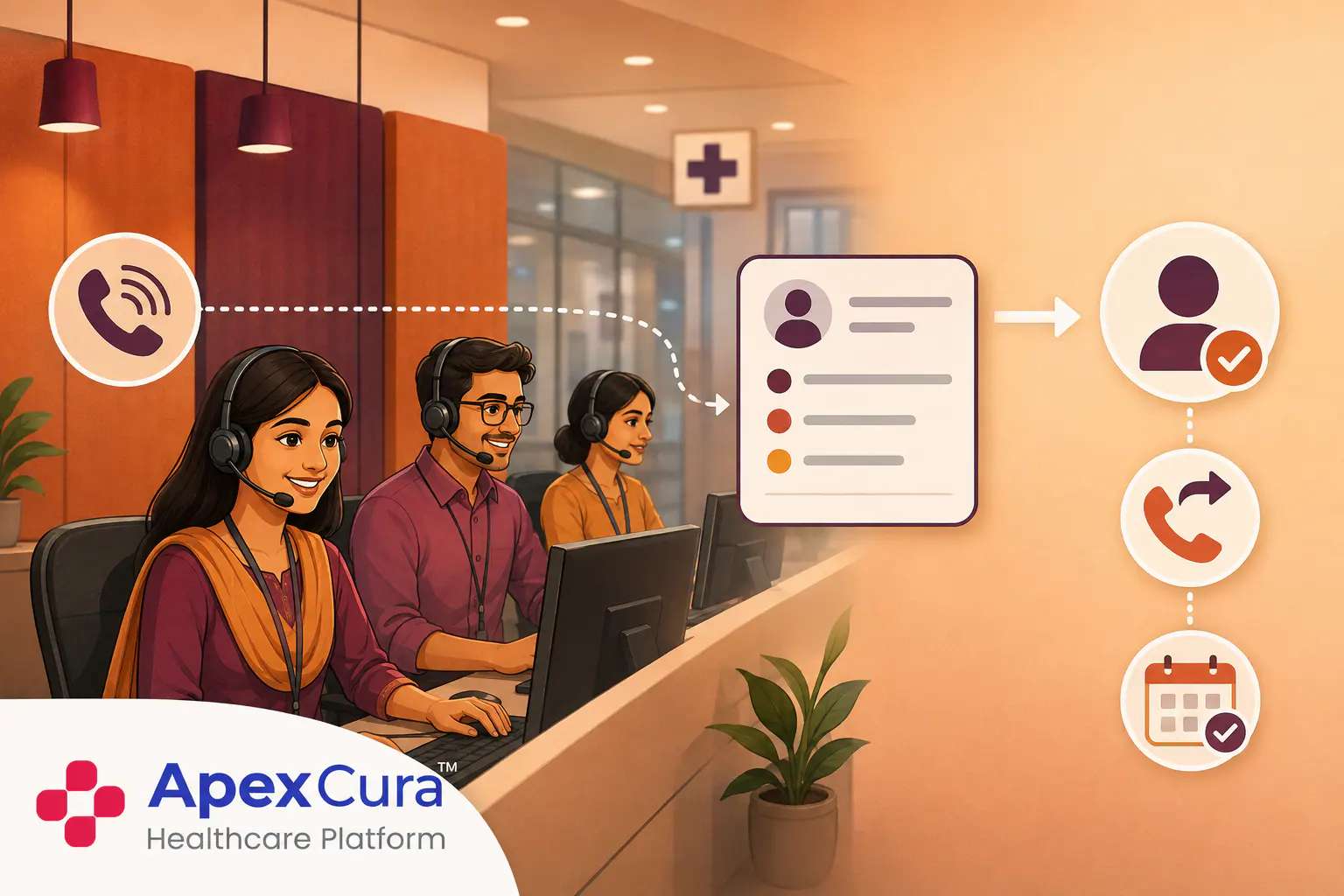
Every lead needs one visible owner and a defined next action. The owner should know when to contact the patient and what information is still required.
Owner: Follow-up tasks can include a callback, doctor availability check, estimate discussion or appointment confirmation. Reminders help staff act on time.
Next action: Escalation rules alert supervisors when important leads remain unattended or follow-ups become overdue. Ownership changes should retain the earlier activity history.
Escalation: This prevents a patient from repeating the same information after a shift or branch transfer. A structured Hospital Lead Management CRM replaces informal handovers with clear responsibility and traceable action.
Converting Patient Enquiries Into Appointments and Visits
Managing First Response Time and Conversation Quality
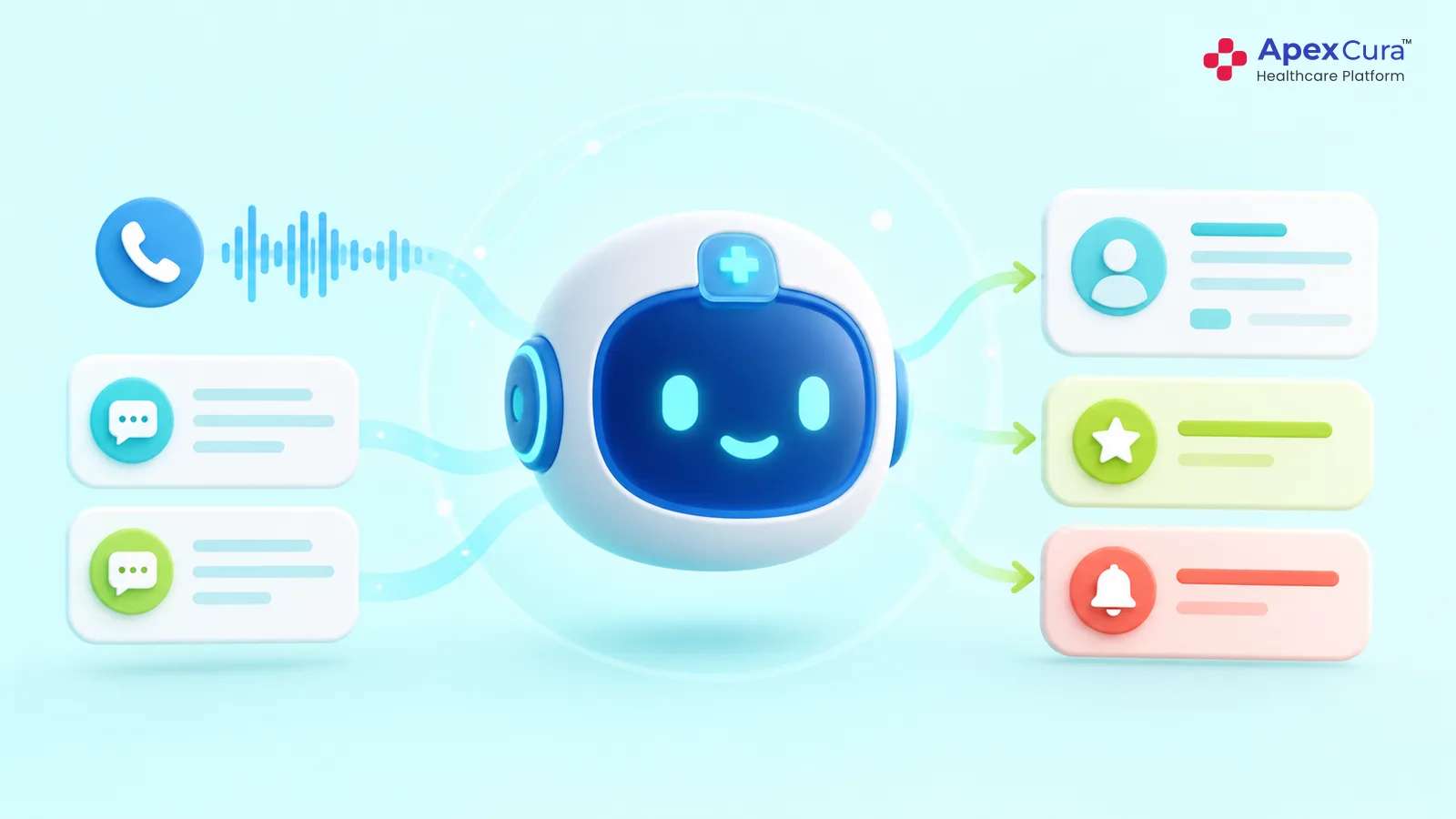
Patients who ask about an available doctor, procedure or immediate appointment often have an active requirement. Hospitals should define a first-response TAT for every channel and make delays visible to supervisors. Speed alone is not enough. The first conversation should identify the patient’s need, provide accurate information and confirm a useful next step. Connected call recordings and interaction data can help managers review whether teams understood the enquiry and responded appropriately. Quality review should support coaching, not replace human judgement. Measuring both response time and conversation quality helps hospitals find shifts, channels and teams where genuine enquiries are receiving late or incomplete attention.
Managing Follow-Ups Until Appointment Conversion
Many patients do not book during the first conversation. They may need to check family availability, compare dates or wait for reports. The agent should record the discussion and agree on a practical follow-up time.
Repeated contact should remain helpful and should respect the patient’s preference. The CRM can create reminders for future calls and record every attempt. It should also show doctor availability and earlier responses before the next interaction.
If the patient is not ready, the lead should remain at an appropriate stage instead of being closed without reason. Consistent follow-up gives genuine enquiries enough time to convert.
Tracking Leads From Appointment to OPD and Closure
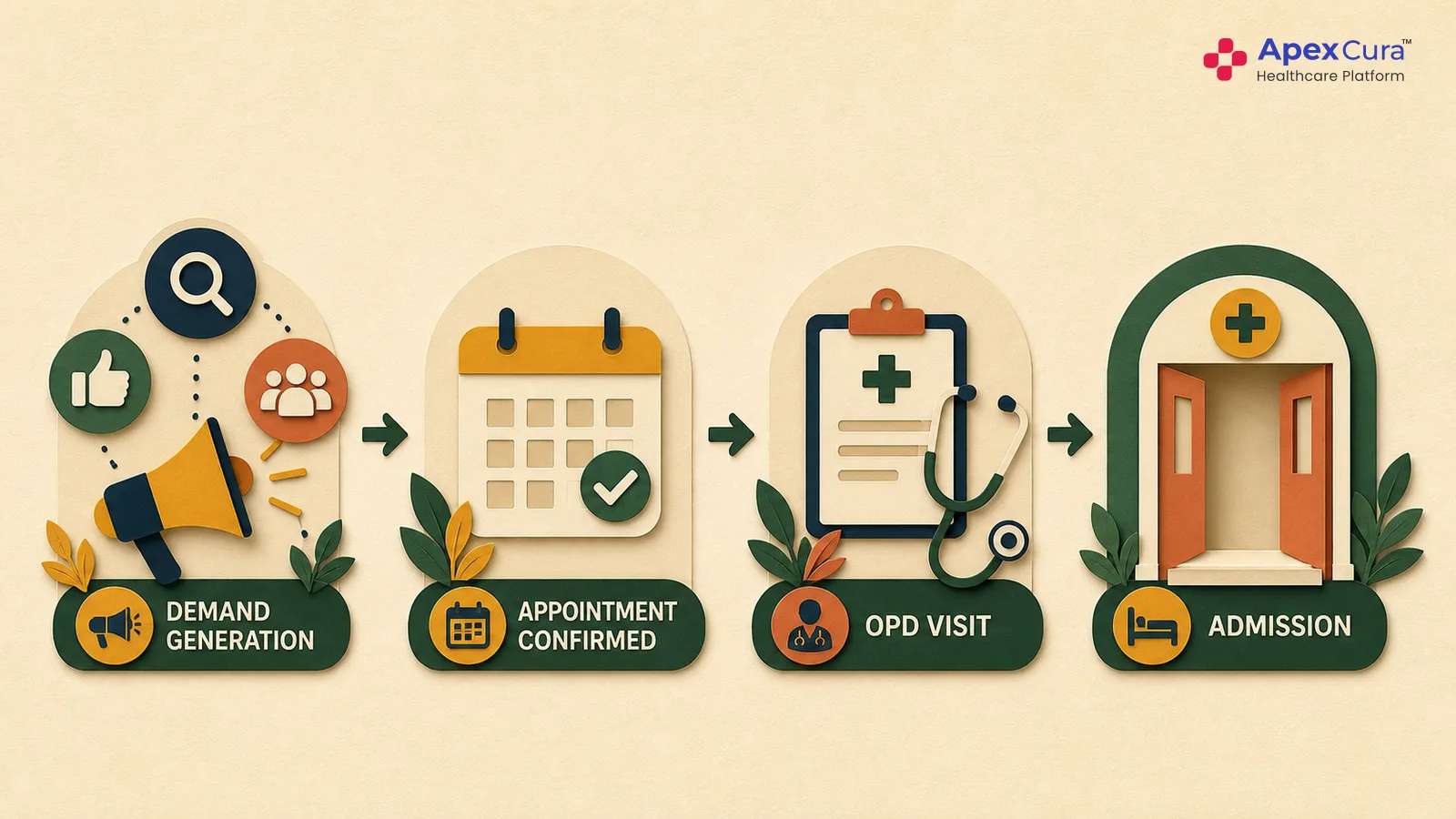
An appointment booking does not confirm that the patient visited the hospital. The patient may cancel, reschedule, miss the slot or visit another branch.
- Lead tracking should therefore continue after booking. Appointment and HIMS integrations can update whether the patient arrived, completed the OPD visit or moved to another service.
- The responsible team can follow up on no-shows where appropriate.
- Every lead should eventually have a clear outcome, such as visited, not interested, unreachable or follow-up planned.
- Defined closure reasons improve reporting.
- They also help managers distinguish patient decisions from operational problems that prevented a completed visit.
Connect patient enquiries, ownership, follow-ups, appointments and hospital outcomes in one workflow.
Explore Apex Healthcare CRMImproving Hospital Lead Management With CRM Data
Identifying Lead Leakage and Missed Opportunities
Lead leakage occurs when genuine patient interest receives no clear action. Common examples include missed calls, unassigned forms, overdue follow-ups and leads closed without a valid outcome. CRM reports can show records that remain inactive beyond the hospital’s expected time. Supervisors can review the reason before assigning corrective action.
They may find a staffing gap, routing error, missing schedule or unclear ownership rule. Leakage should be measured by channel, team, speciality and branch. This helps hospitals fix the operating process rather than only chasing individual records. Regular review can recover opportunities before the patient’s need is lost.
Measuring Lead Management and Conversion Performance
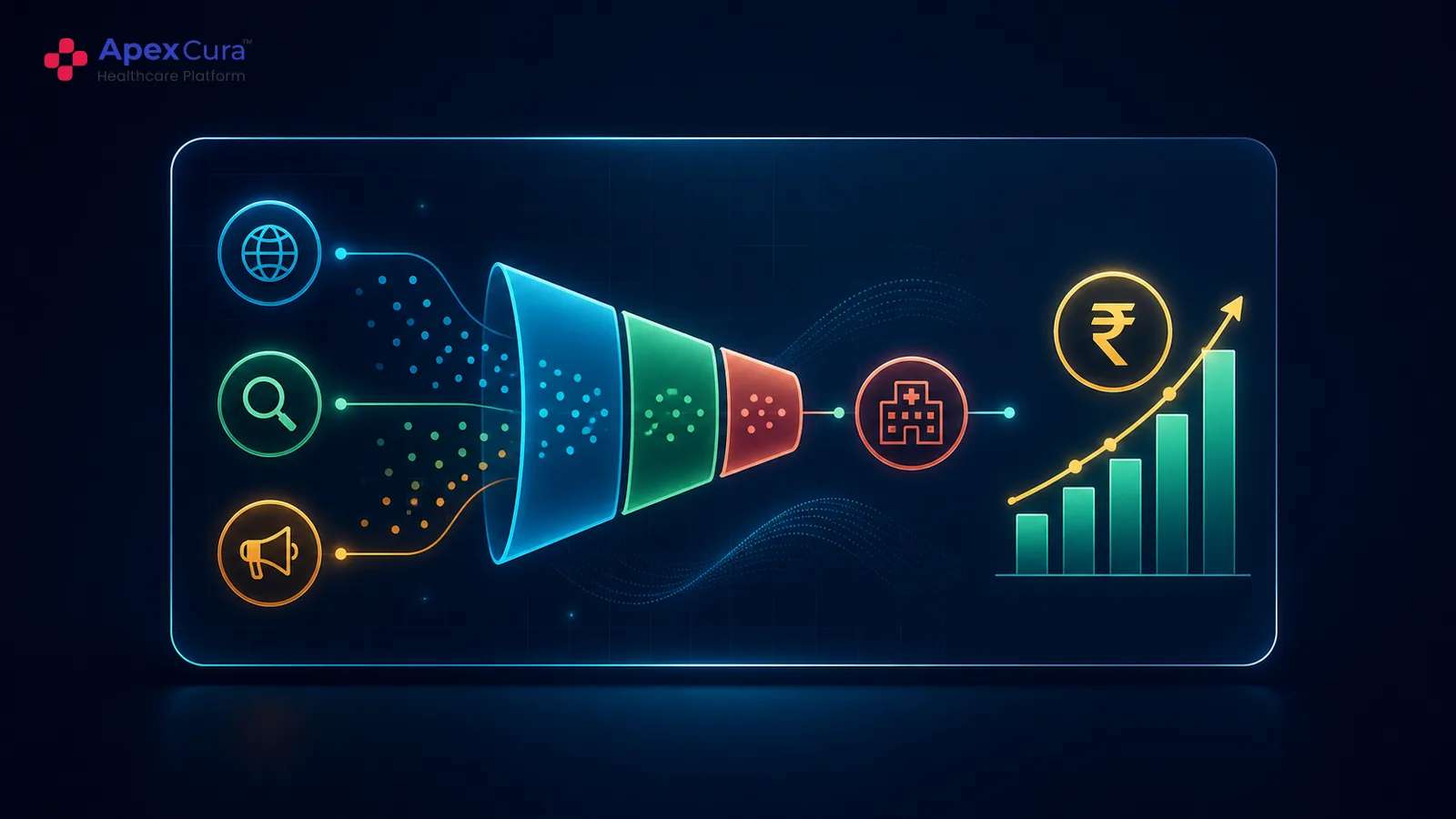
Hospitals need a small set of consistent measures for lead management. Useful indicators include first response time, contact rate, overdue follow-ups, appointment conversion and enquiry-to-OPD conversion.
Response: Pending leads should be grouped by age so managers can see growing backlogs. Performance comparisons should consider speciality, branch, channel and patient requirement.
Follow-up: A complex treatment enquiry may need more conversations than a routine appointment request. Teams should use the same definitions for contacted, qualified, booked and visited.
Conversion: Clear measures show whether weak conversion comes from lead quality, delayed response, poor follow-up or a later operational gap.
Using Hospital CRM to Continuously Improve Lead Conversion
CRM data becomes useful when it leads to operational action. Managers can review repeated leakage points, compare similar teams and select one practical improvement. The action may involve changing lead routing, updating doctor schedules, reducing response time or improving follow-up ownership. Hospitals should assign responsibility and measure the result after each change. If conversion does not improve, the team can review the cause again. Central visibility also helps management share successful practices across branches. This creates a simple improvement cycle: identify the gap, confirm the reason, make a controlled change and measure whether more patients reach appointments and completed visits.
Conclusion
Effective hospital lead management connects every patient enquiry with clear ownership, timely follow-up and a measurable outcome. Hospitals should capture all channels, route leads using practical rules and continue tracking beyond appointment booking. CRM data can reveal missed enquiries, delayed actions and conversion gaps across teams and locations. The objective is not to create more administrative work. It is to help staff respond consistently and help management improve the path from patient interest to completed hospital visit.