Why Valid Patient Enquiries Become Inactive
No response is often an ownership failure
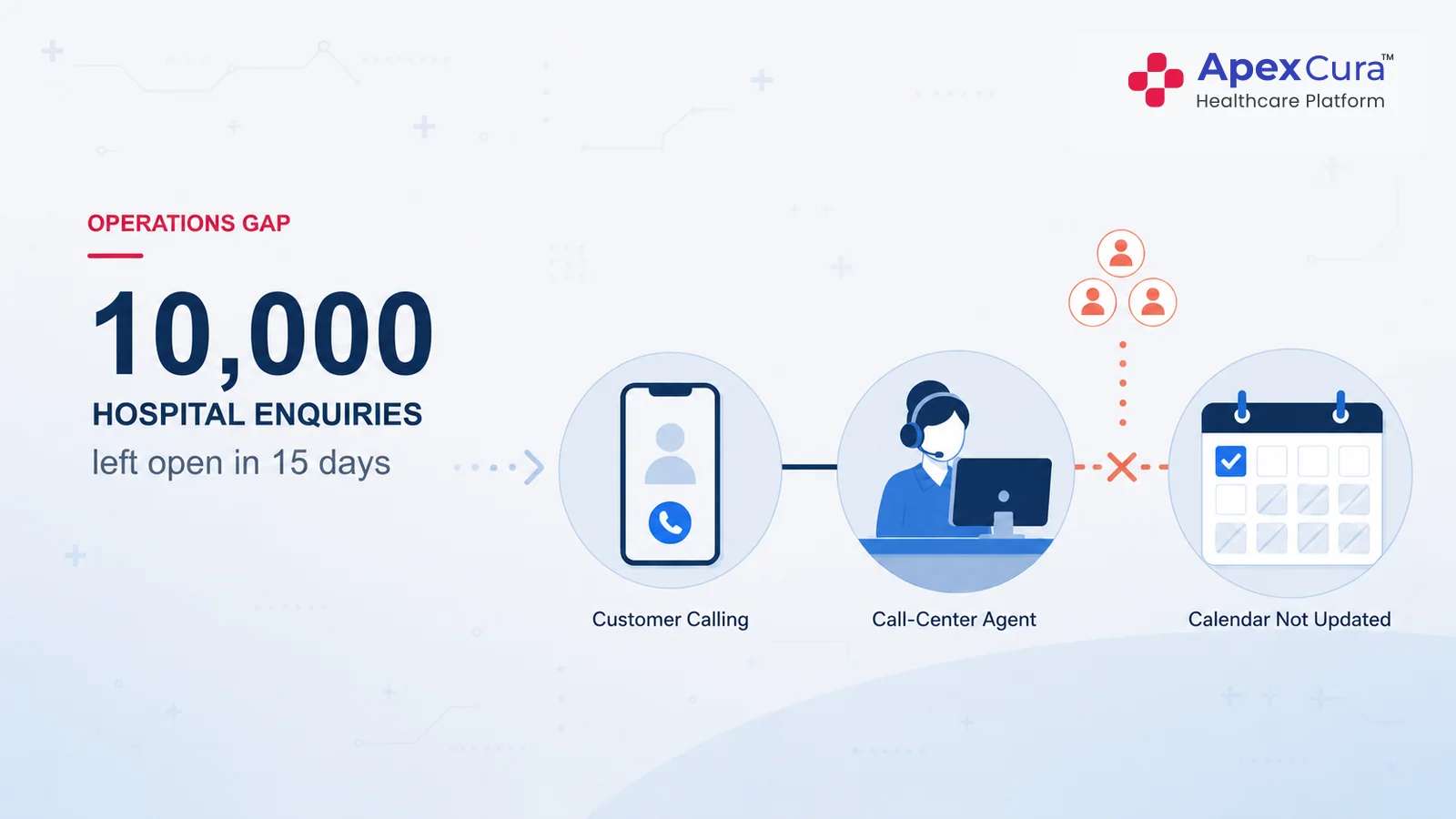
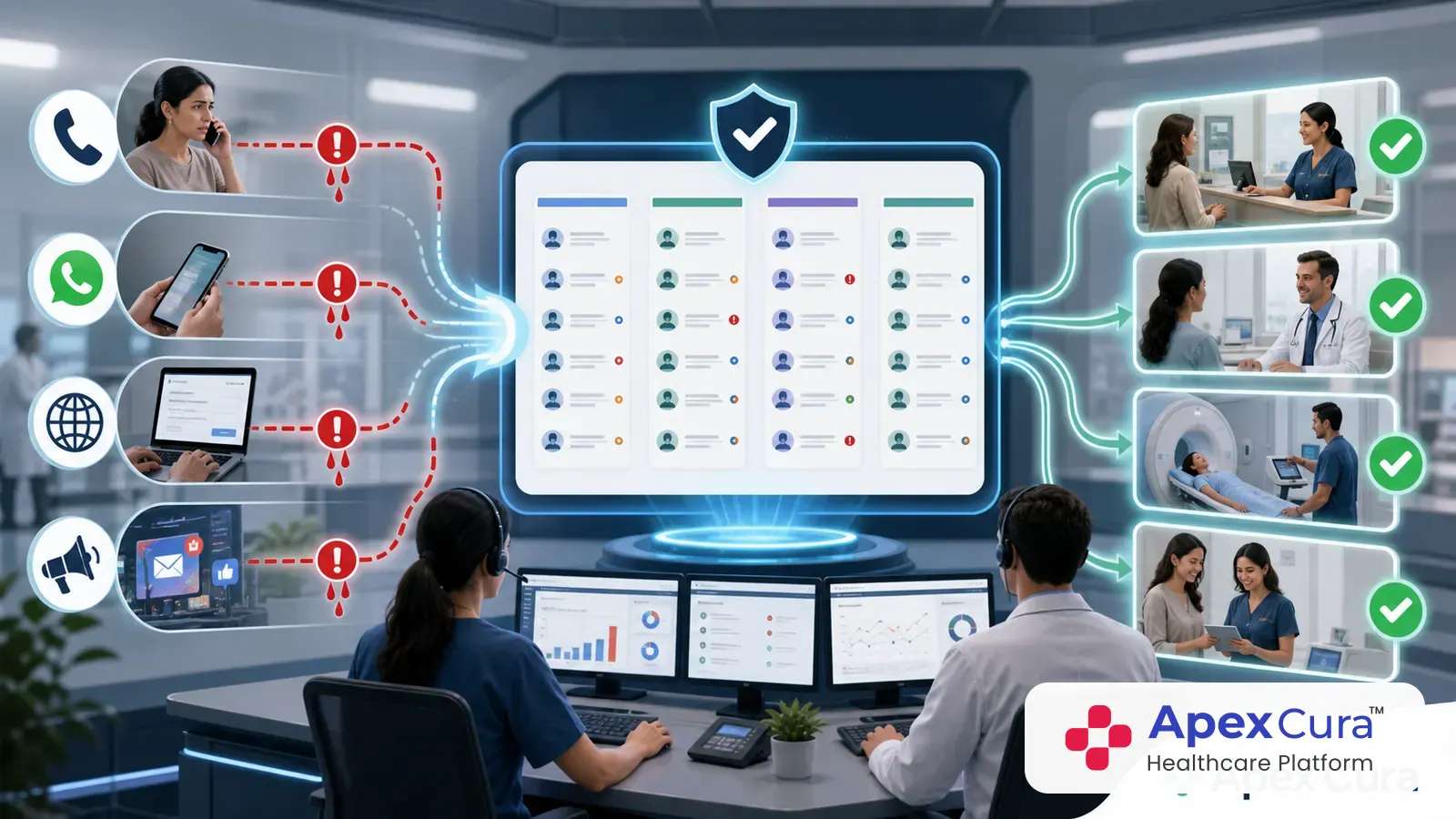
A call-centre team may be understaffed, but no response can also occur when employees have several responsibilities, enquiries arrive through disconnected tools or nobody is clearly accountable for the next action. A missed call may appear in one system, a website lead in another and a referral on paper or WhatsApp. When work is not converted into assigned, traceable tasks, supervisors cannot distinguish genuine capacity constraints from distraction, unclear responsibility or enquiries that were never visible to the team.
Wrong responses begin with missing context
Agents cannot answer accurately when they don't have the right information like campaign details, service information, offers, branch availability or doctor schedules in front of them. A patient may respond to a specific advertisement, yet the call-centre employee sees only a phone number and gives generic information. The issue is not always training; the operating process may fail to connect marketing activity with frontline execution. Asking agents to search several systems while the patient waits increases errors, inconsistent communication and avoidable internal call transfers.
Late follow-up is created by manual prioritisation
Slow response occurs when agents must remember which enquiry is urgent, when to retry and how many attempts remain. Leads passed through paper, spreadsheets, personal WhatsApp groups or informal calls are easily forgotten. Even when follow-up happens, an aggressive cluster of attempts may be intrusive while a single delayed callback may be ineffective. A Hospital Lead Management CRM can apply a follow-up cadence based on patient intent, urgency, preferred channel and enquiry context rather than one blanket rule for every lead.
Key insight: Better follow-up is not simply more calls. It is timely, relevant, context-aware and owned by one accountable person within reasonable limits.
How Hospitals Can Build an Accountable Follow-Up Process
Give every enquiry a clear owner and next action
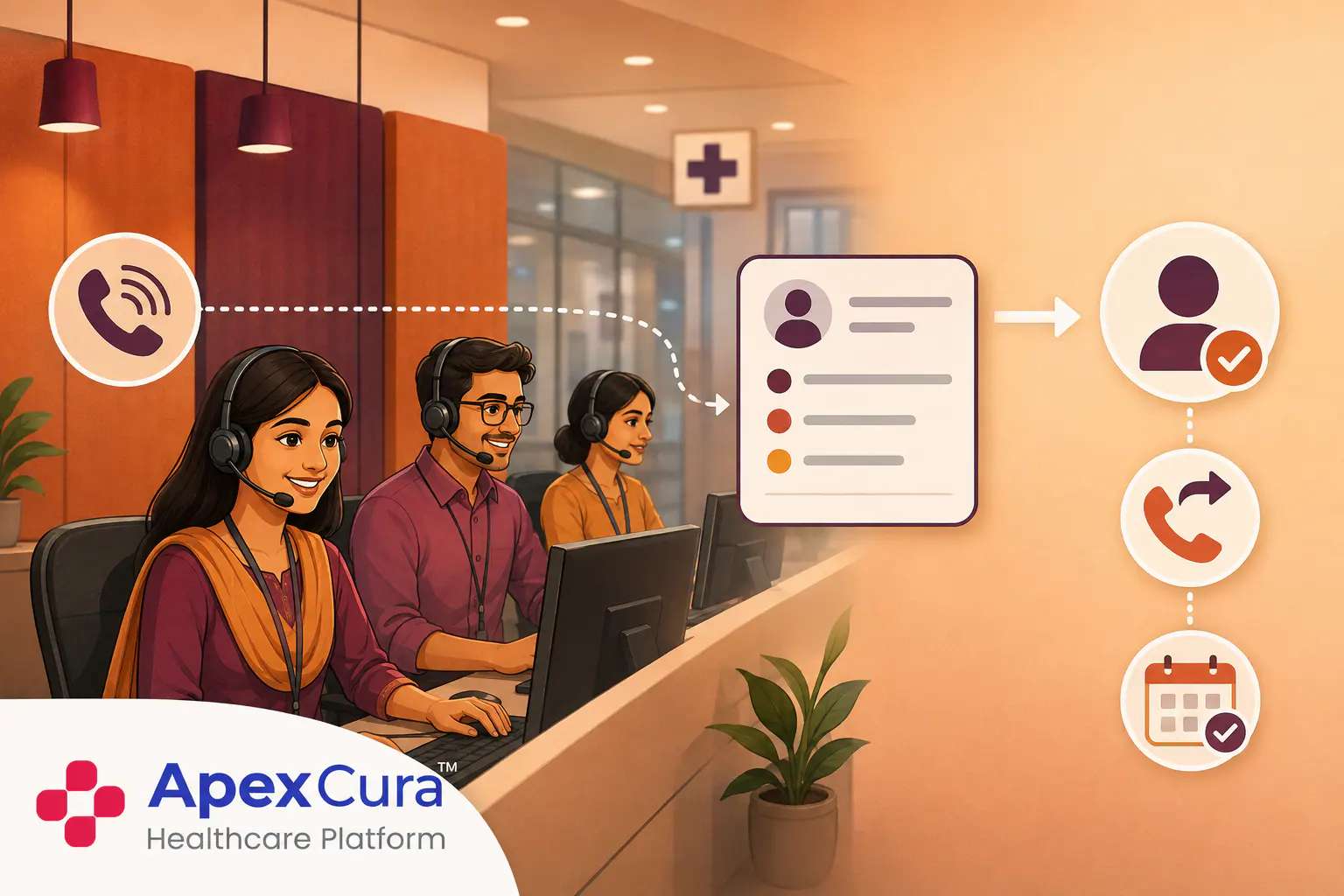
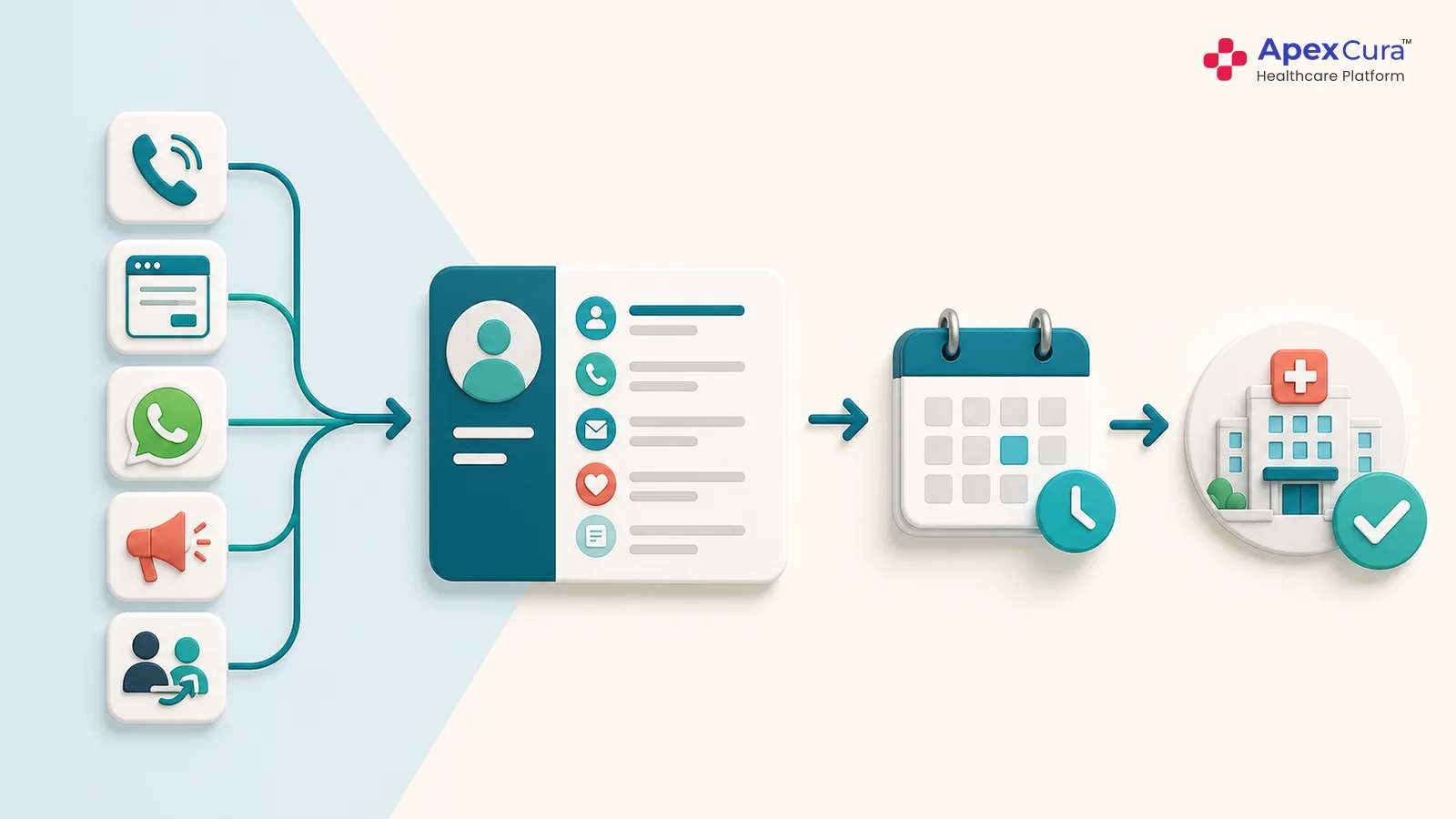
Each genuine enquiry should be converted into a traceable record with one responsible owner, an expected response time and a scheduled next step. The assigned employee should see the patient’s requirement, source, prior interactions and relevant service information in one working view. If the person does not act within the required TAT, the system should alert a supervisor and support reassignment or escalation. This makes inaction visible before the patient loses interest.
Define cadence by intent, not convenience
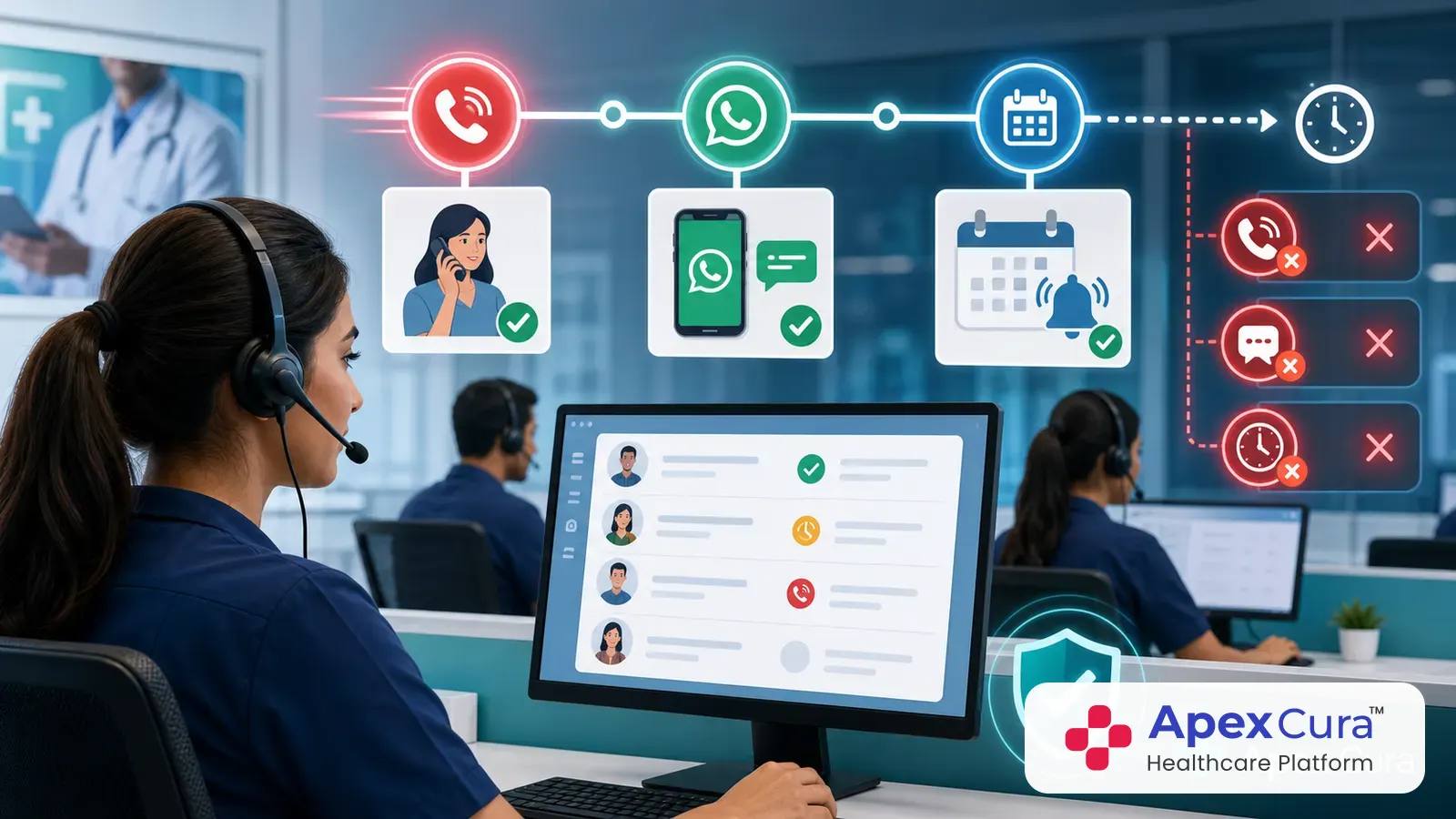
Follow-up SOPs should specify the number of attempts, appropriate spacing, channel and closure conditions, but they should not impose one cadence on every patient. Immediate treatment needs, high-intent surgery enquiries and general information requests may require different handling. An unanswered call can be followed by a concise WhatsApp message where appropriate, while patients who request a later callback should be contacted at the agreed time. Persistence must remain respectful and relevant.
Measure response quality as well as speed
Supervisors should monitor first-response TAT, overdue tasks, missed-call recovery, retry compliance, reassignment, dispositions and closure reasons. Speed alone does not prove success if the response is inaccurate or fails to address the patient’s concern. Call recording, audit and AI-assisted analysis can reveal whether the agent understood the need, explained the next step and communicated with appropriate clarity. These measures separate workload problems from knowledge, quality and process failures.
Want to see how automated task prioritisation can simplify follow-up for your call-centre team?
Lets Talk To ExploreHow Apex Cura Simplifies Timely Patient Follow-Up
Marketing context and patient need in one window
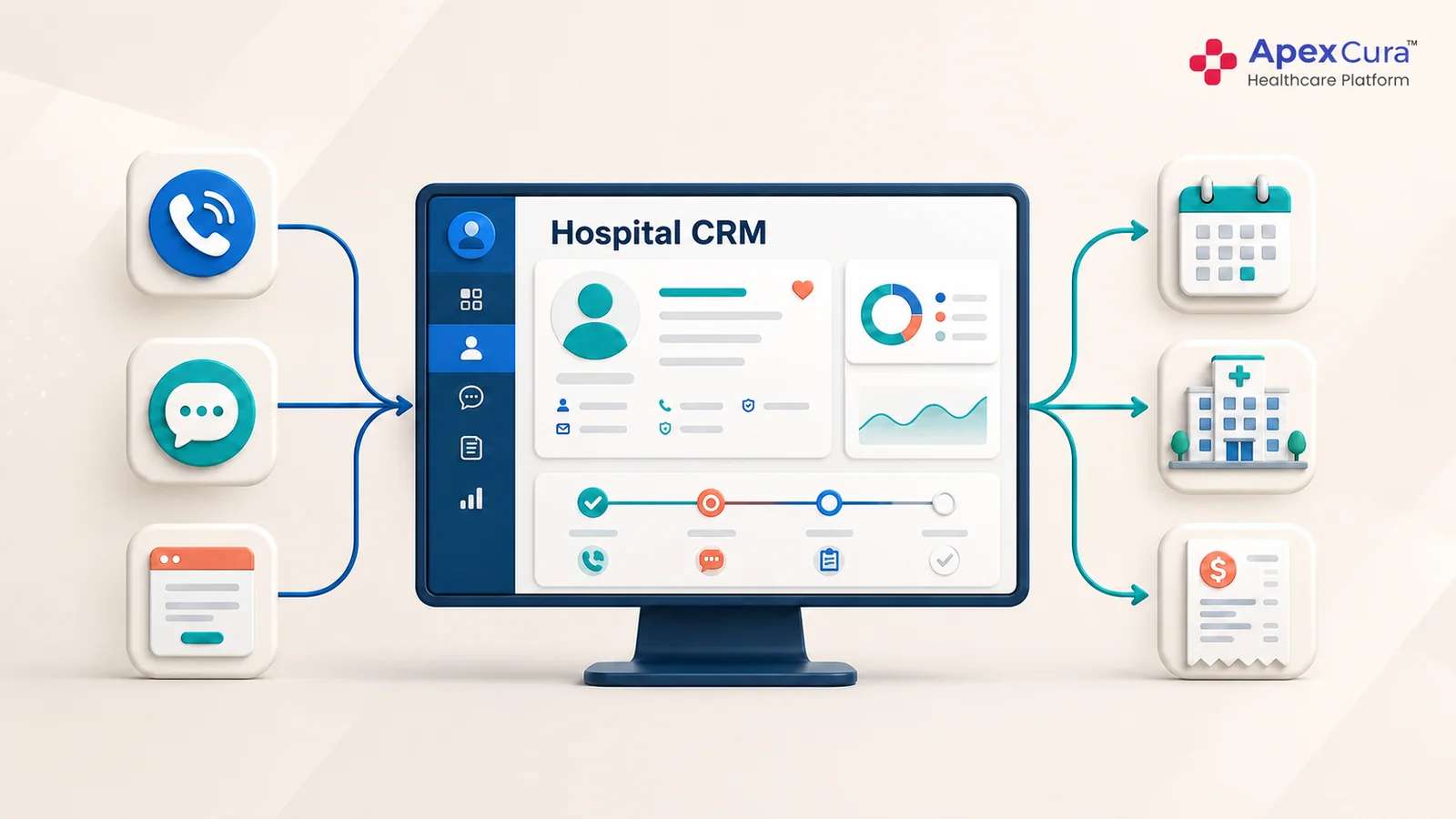
Apex Cura connects campaign and enquiry information with call-centre execution. Agents can see which activity generated the enquiry and, where available, the relevant offer, service, branch or treatment context. AI-based intent analysis helps identify the patient’s need, while the common interaction history reduces repeated questioning. By bringing this information into one window, the platform removes the need to juggle multiple systems or depend on informal updates from the marketing team.
Automated allocation, reminders and prioritisation
The system assigns enquiries, creates tasks and prioritises work based on defined rules, intent and due dates. Agents do not have to remember when a patient should be contacted again or which lead is most urgent. Retry logic can track the number and spacing of attempts, while overdue alerts, escalation and reassignment protect enquiries when the original owner does not act. Follow-up history and dispositions ensure that every subsequent employee can continue with the correct context.
AI-supported quality and supervisor visibility
Apex Cura uses call analysis to help measure whether the agent understood the patient’s requirement and provided an appropriate response. TAT compliance, overdue tasks, retry adherence, agent performance and call-quality indicators are visible to supervisors without manual consolidation. This makes it easier to identify whether poor outcomes come from workload, missing information, weak engagement or process non-compliance. The result is a simpler daily workflow for agents and more accountable execution for management.
Conclusion
Timely lead follow-up improves patient acquisition only when the response is accurate, relevant and clearly owned. Hospitals should remove dependence on memory, fragmented tools and informal handoffs, while using measured retry rules and respectful communication. The objective is not more contact; it is the right action at the right time.