Having a Telecom System and a Call Centre Team Is Not Enough
Calls May Be Answered but Patient Enquiries Can Still Be Missed
Answering a call and identifying a patient enquiry are two different things.
An executive may give some information and close the call. But the caller may actually be considering a consultation, diagnostic test, procedure or treatment. If this requirement is not recorded, it remains only in the call recording or in the executive’s memory. Nobody follows it after that. This is why a hospital can have a good call-answering percentage and still lose genuine patient enquiries. The team must first separate routine calls from enquiries that need action. Every valid enquiry should carry the patient’s requirement, preferred service and the next step promised during the call.
Enquiry Context, Ownership and Follow-Ups Can Get Lost
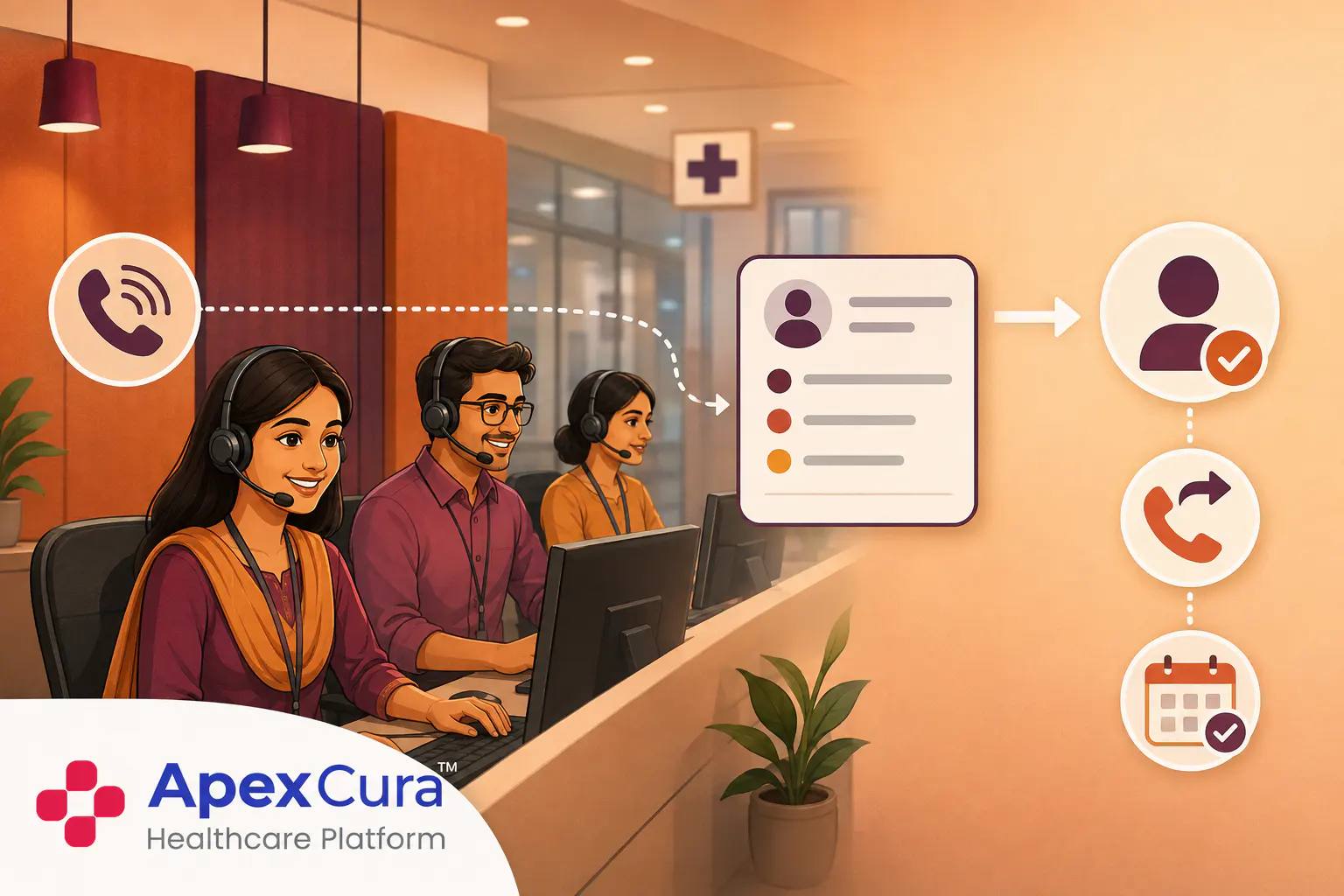
In a hospital call centre, patient information passes through many people and shifts. One executive may write something in a notebook. Another may send a WhatsApp message to a colleague. Someone may promise a callback but forget to assign it. When the patient calls again, the next executive starts from the beginning. Sometimes the patient also receives a different answer. There is no clear ownership. A structured enquiry record avoids this confusion. It should show what the patient asked, which team is responsible, the present status, the callback promised and the next action. Anyone handling the enquiry later can continue from the same point.
Call Reports Do Not Show How Many Enquiries Became Footfalls
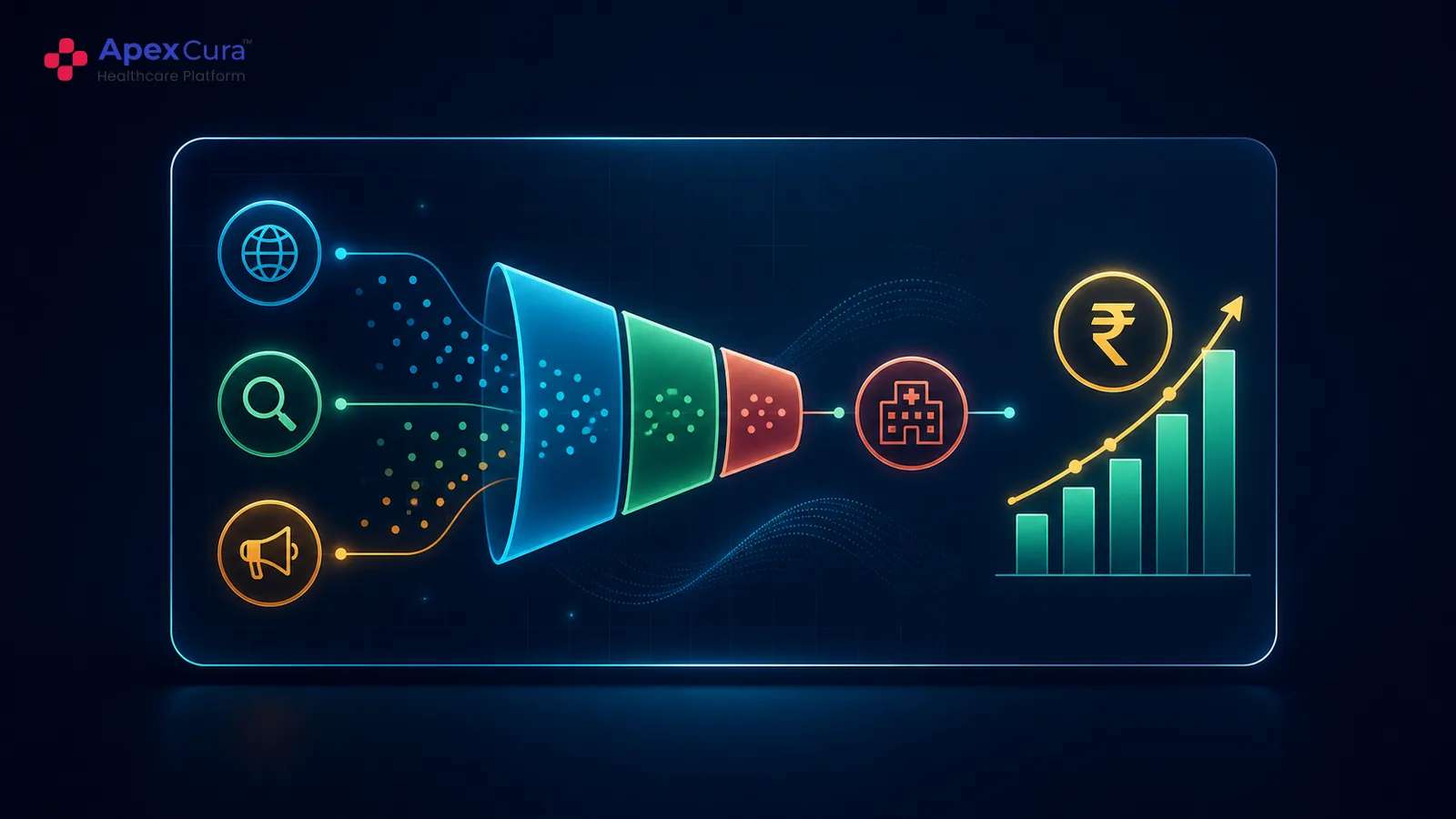
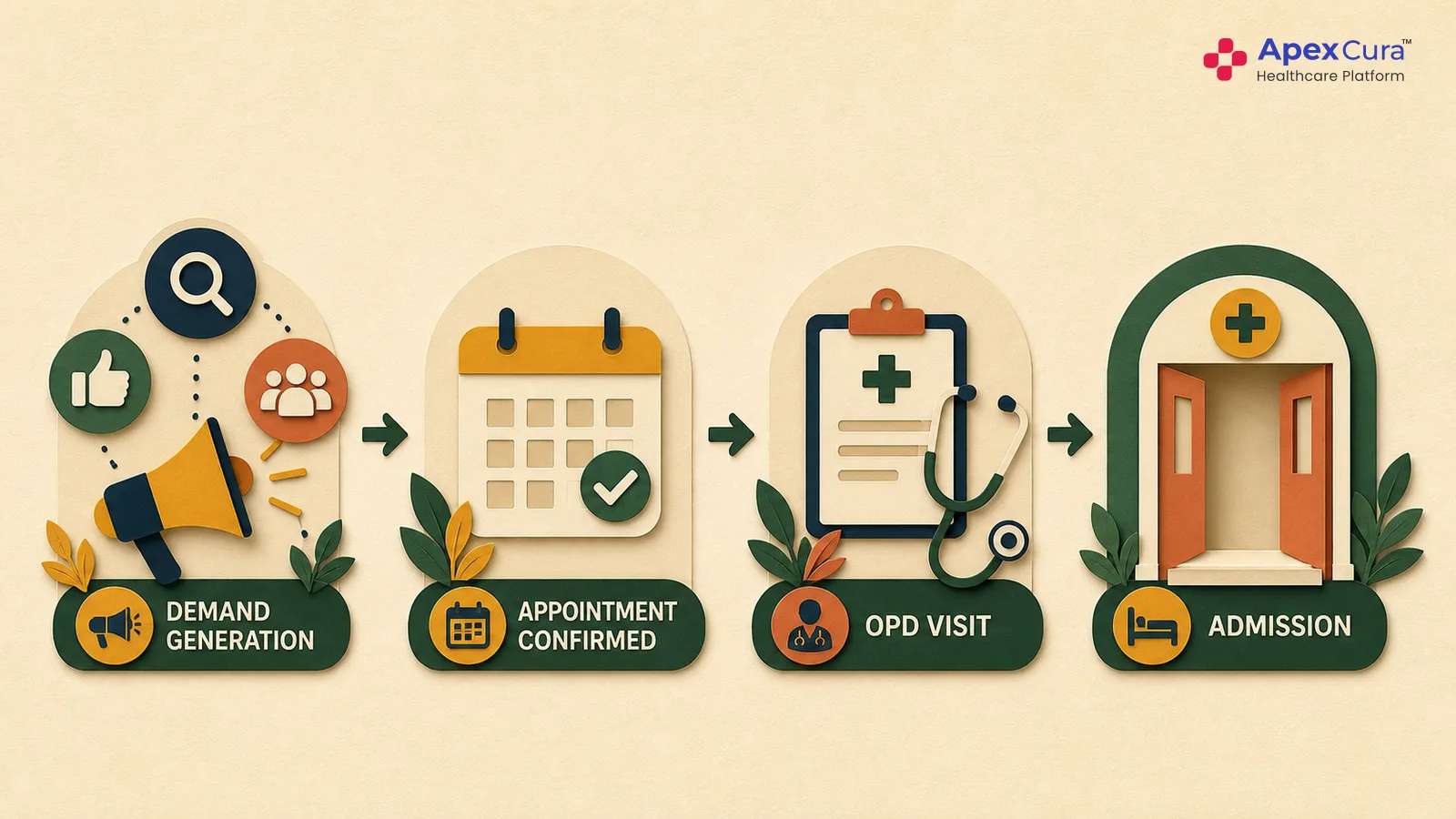
Telecom reports can tell you how many calls came in, how many were answered, how many were missed and how long agents spoke. These are useful call-centre numbers. But they do not tell you whether a patient enquiry became an appointment or an OPD visit. A hospital may answer most calls and still lose patients because the enquiry was not recorded or followed up. Management should measure the journey beyond the call. Was the enquiry identified? Did somebody own it? Was the promised response completed? Did the patient book and visit? Only after connecting these stages can the hospital understand its actual call-to-footfall conversion.
What Kinds of Calls and Patient Enquiries Does Your Hospital Receive?
Existing Patients Call for Information, Support and Follow-Ups
A large number of callers may already be your patients. They may want a report, appointment confirmation, billing clarification, hospital location or some information after consultation. A patient may also call about an earlier admission, procedure or diagnostic test. These calls need proper service, but they are not always new patient enquiries. The executive should understand why the patient called, check the available history and either answer the request or send it to the right team. Keeping service calls separate from new enquiries makes conversion reports more accurate. It also helps existing patients get a faster answer without being treated like a new lead every time.
New Patients Enquire About Doctors, Appointments, Diagnostics and Treatments
New patients usually call when they are deciding where to take consultation or treatment. They may ask which doctor handles a problem, whether a speciality is available, when they can get an appointment or whether a diagnostic test is done.
Some patients ask about a procedure, preparation, hospital branch or whom they should meet. A price enquiry may also be a genuine treatment enquiry and may need proper counselling, not just one quick answer. When further action is required, the call should become an enquiry. The record should capture the required service, speciality, preferred branch, suitable timing and what the hospital has agreed to do next.
High-Intent Enquiries Require Immediate Ownership and Action
Some callers are only collecting information. Others are ready to take the next step. A patient may want an appointment on the same day, ask for a particular doctor, enquire about an advised surgery or look for an urgent diagnostic slot. Such enquiries should not remain mixed with routine calls. If the team responds late, the patient may contact another hospital. High intent does not mean that every patient will visit, but it tells the hospital where quick action is needed. The executive should record the requirement, promise made and follow-up time. A visible hospital lead management process allows another person to continue the work when required.
Turn connected patient calls into owned enquiries, timely follow-ups and measurable hospital footfalls.
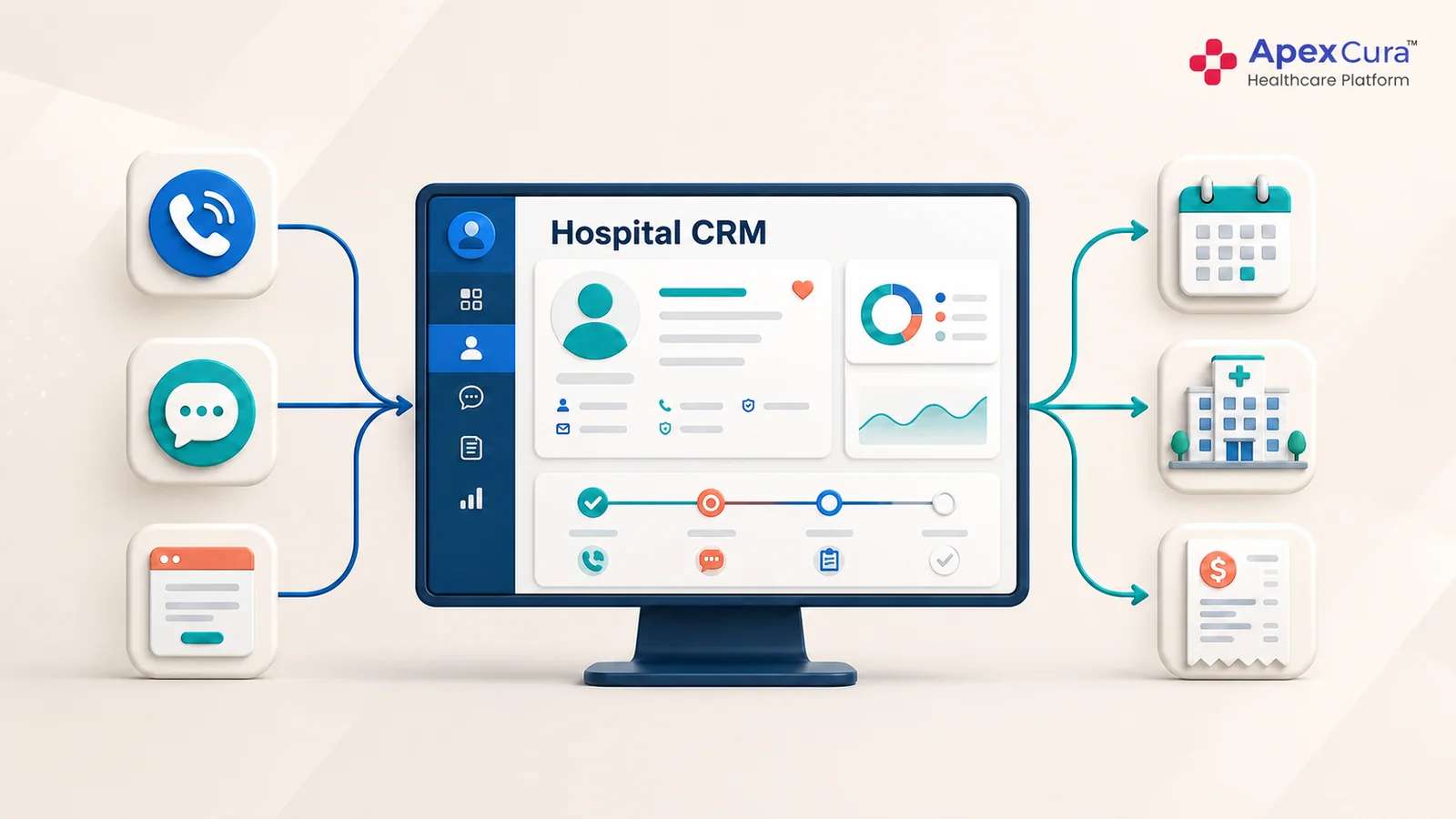
Explore Hospital Call Centre CRMHow Does a Hospital Call Centre CRM Convert More Enquiries into Footfalls?
AI Identifies Patient Intent and Converts Calls into Structured Enquiries
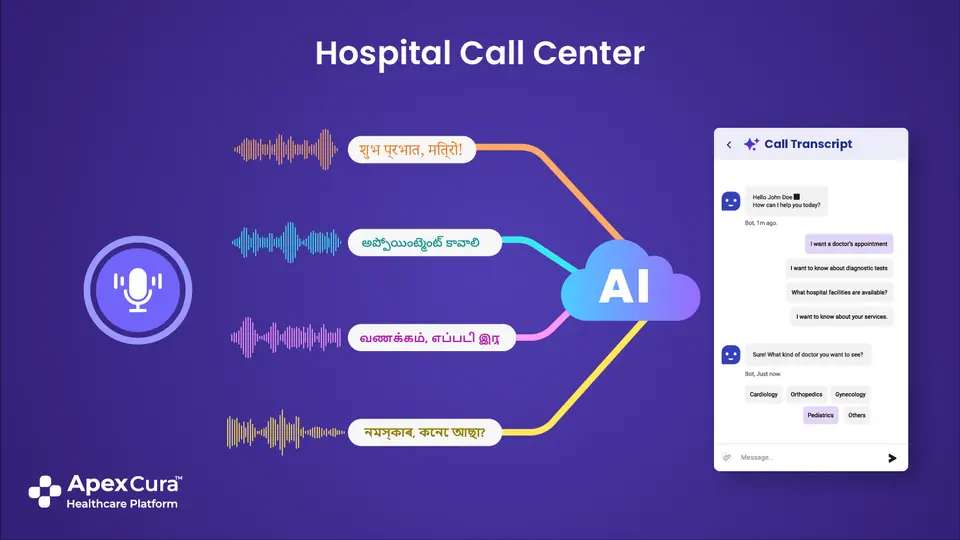
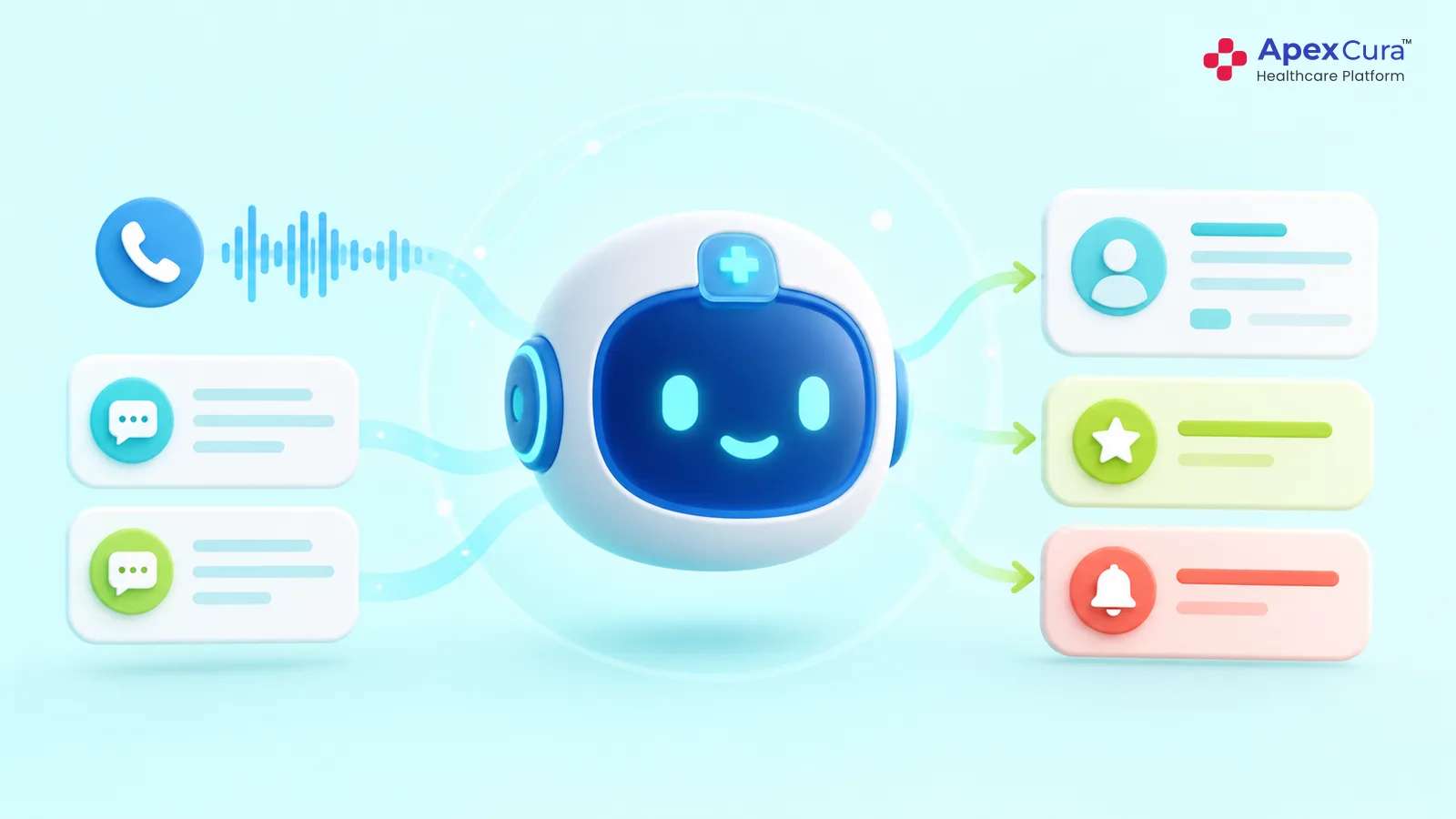
The system should help the hospital understand what happened in the call, instead of showing every call as one more number. AI call transcription and analysis can prepare a transcript and short summary from a connected conversation. It can identify whether the patient asked for a doctor, appointment, diagnostic test, treatment or callback. The same information can be organised into a structured enquiry with the required next action. This saves the executive from listening again and typing every detail after the call. The enquiry should remain connected with the caller, call source and conversation history. AI is useful only when the hospital team can act on what it has understood.
Every Enquiry Gets an Owner, Next Action and Follow-Up
After an enquiry is identified, somebody must own it. The system should assign it to the right branch, speciality, call-centre executive or hospital team.
It should clearly show the owner, current status, response time and next action. If a callback was promised, it should appear as a task with a due time. Follow-up attempts and patient responses should remain visible even when the shift changes. Supervisors can then see enquiries without owners, delayed callbacks and cases where no further action happened. A hospital call centre CRM brings this discipline into daily work. The patient also gets continuity instead of explaining the same requirement to different people.
Enquiries Are Connected with Appointments, Footfalls and Conversion Outcomes
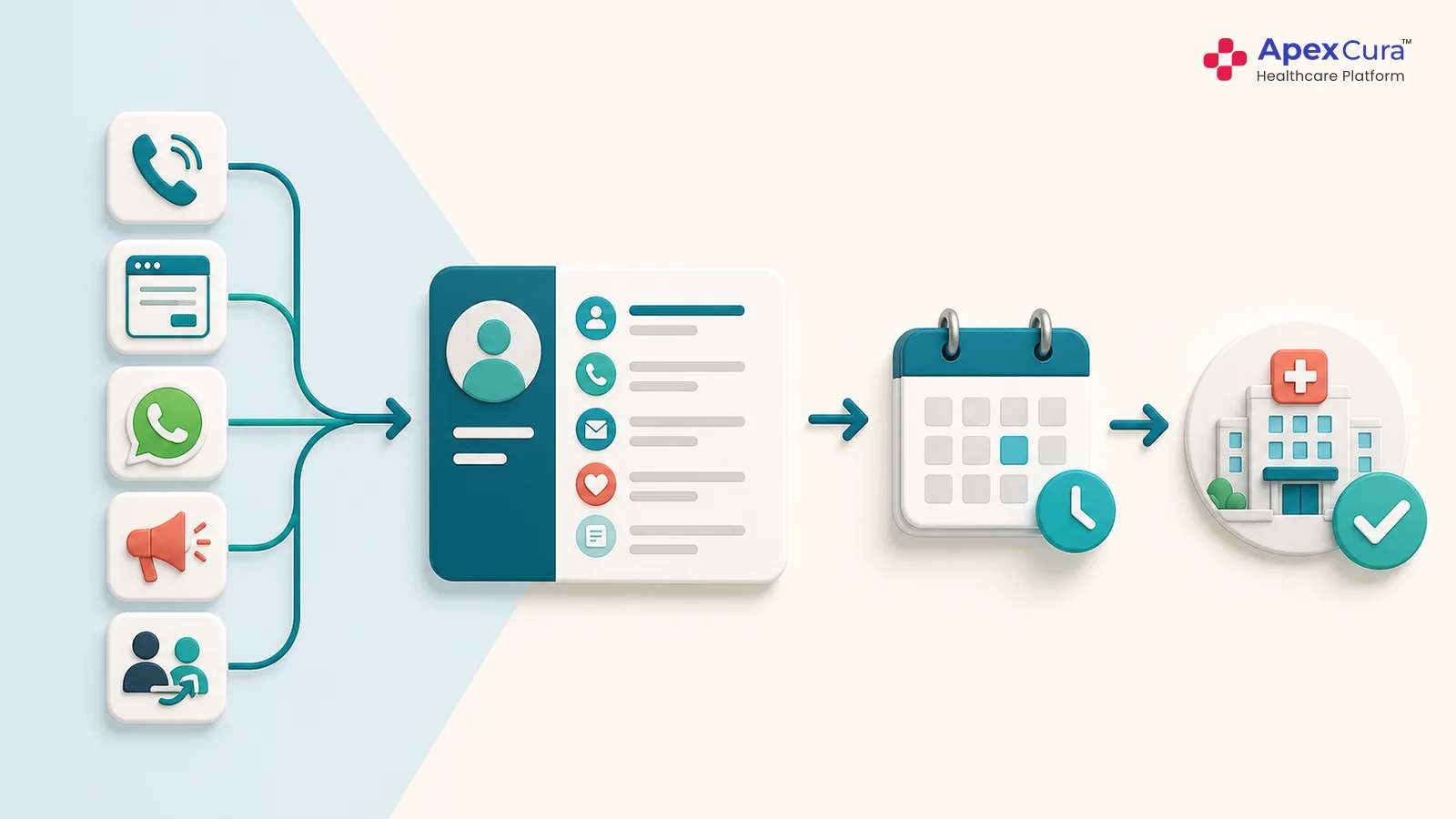
Booking an appointment is not the end of the enquiry. The hospital should also know whether the patient actually visited. With supported appointment, HIMS and billing integrations, the original call can be connected with an appointment, completed OPD visit, procedure or revenue outcome, wherever reliable identifiers are available. Management can then see enquiry-to-contact, enquiry-to-appointment and appointment-to-footfall conversion. It can also identify where patients stopped moving and which follow-ups are still pending. This information helps the team improve conversion as well as patient service. The purpose is not to force every caller to book. It is to ensure that every genuine enquiry receives proper information and follow-up.
Conclusion
A telecom system and a call-centre team can make sure that calls are answered. They cannot by themselves make sure that patient enquiries are managed. The hospital must understand why the patient called, separate service requests from genuine enquiries and keep the context available after the call. A hospital call centre CRM uses AI and a structured workflow to create the enquiry, assign an owner and track the next action. Supported integrations connect the same enquiry with appointments and hospital visits. Patients receive more consistent service, while management can see what happened from the first call until the final footfall.