Using AI to Understand Patient Conversations and Enquiries
Analysing Patient Calls and Digital Conversations With AI
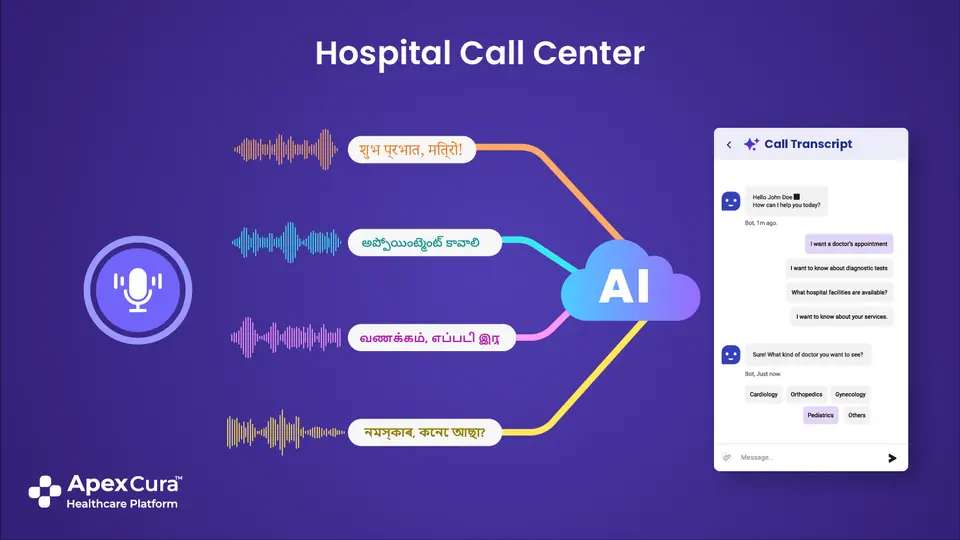
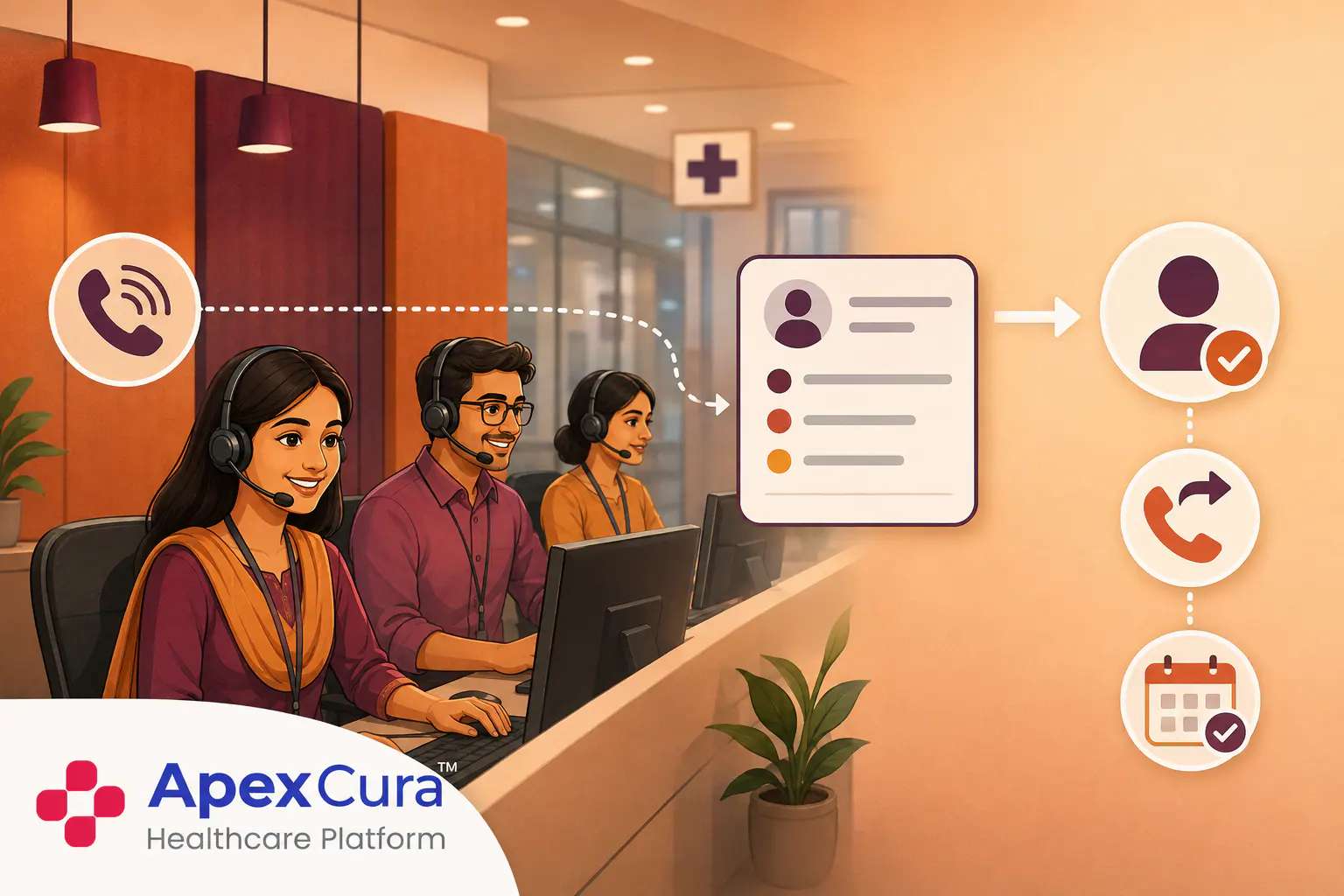
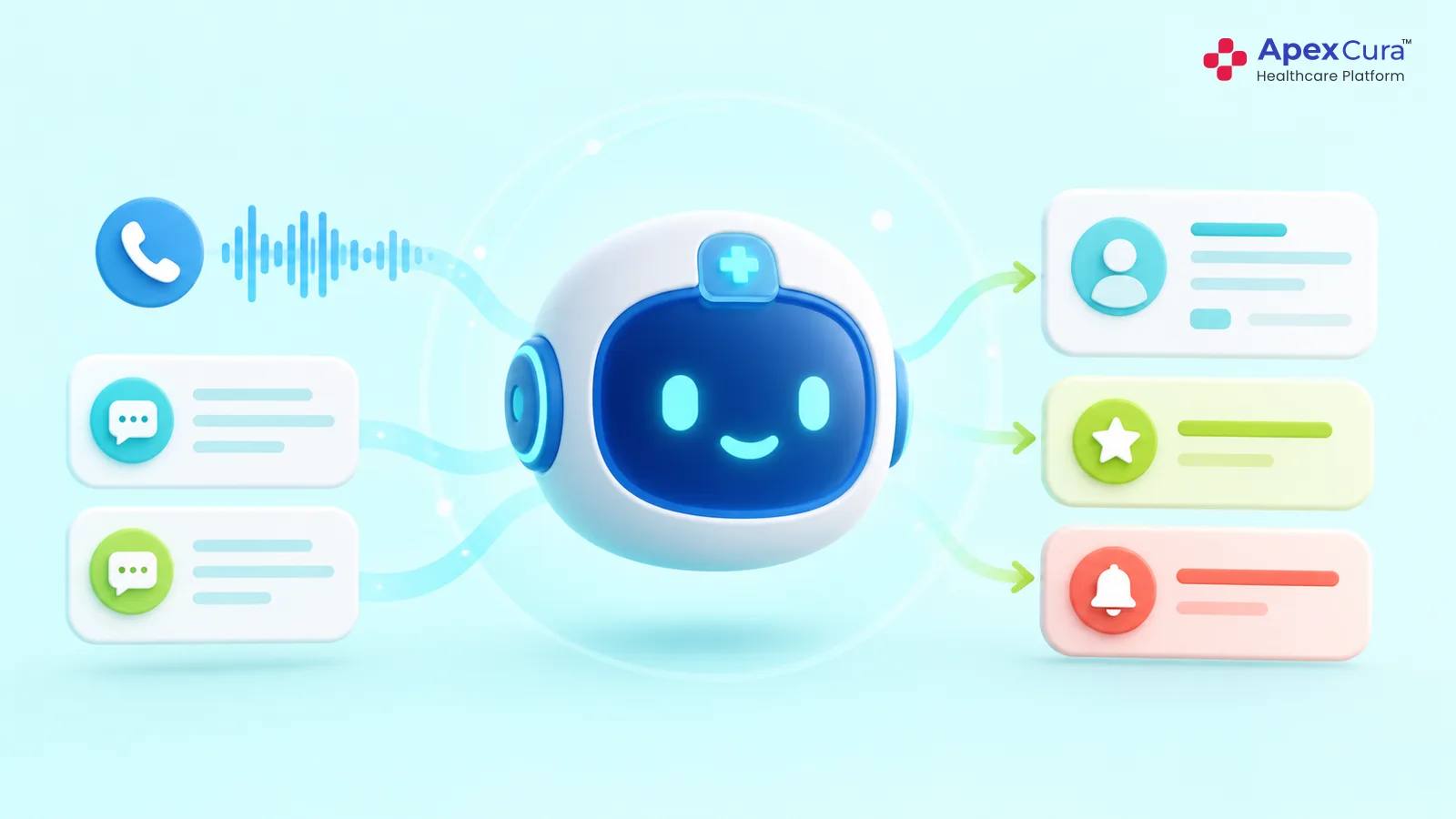
Patient requirements are often explained through natural conversations rather than structured forms. AI can transcribe connected calls and analyse available WhatsApp or chat conversations. It can identify the services discussed, questions asked and actions promised by the hospital team.
This gives supervisors a practical way to review large interaction volumes without listening to every call. The system should retain the original conversation for verification and follow hospital privacy controls.
AI output should support staff, not become an unquestioned clinical record. Used carefully, conversation analysis makes patient needs more visible and helps teams find interactions that require follow-up or operational correction.
Identifying Patient Intent, Service Requirements and Lead Quality
AI can examine conversation context to understand why a patient contacted the hospital. It may identify a doctor appointment request, procedure enquiry, diagnostic need or request for cost information.
- It can also detect signals of urgency or strong booking intent. These findings help teams organise their workload and route the enquiry to a suitable speciality or counsellor.
- Lead quality should not be treated as a final automated judgement.
- Staff must confirm important details before action.
- The practical benefit is faster identification of relevant patient needs within long calls or messages.
- This reduces dependence on brief manual notes that may omit useful context.
Automatically Structuring Patient Enquiries Inside the CRM
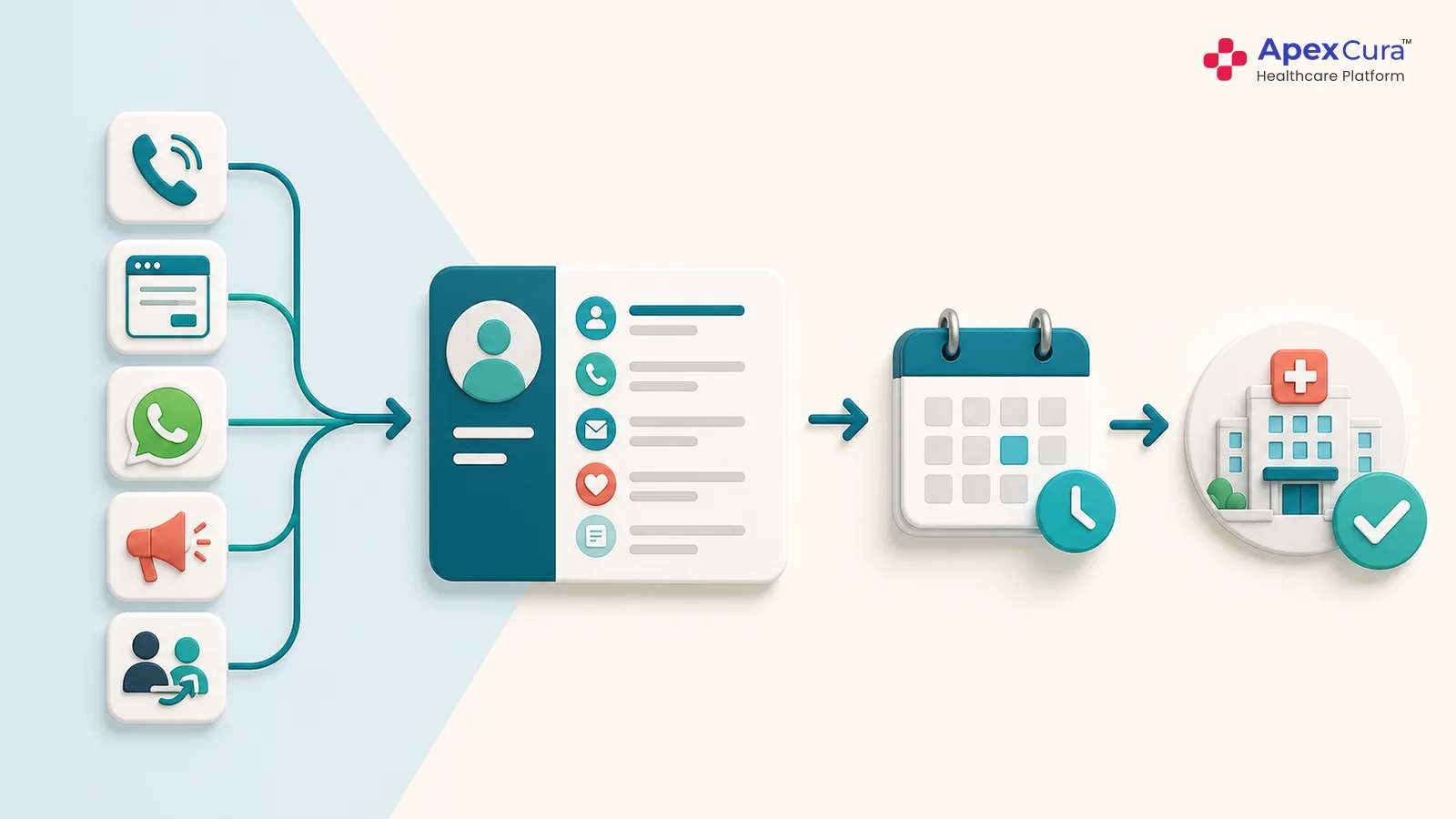
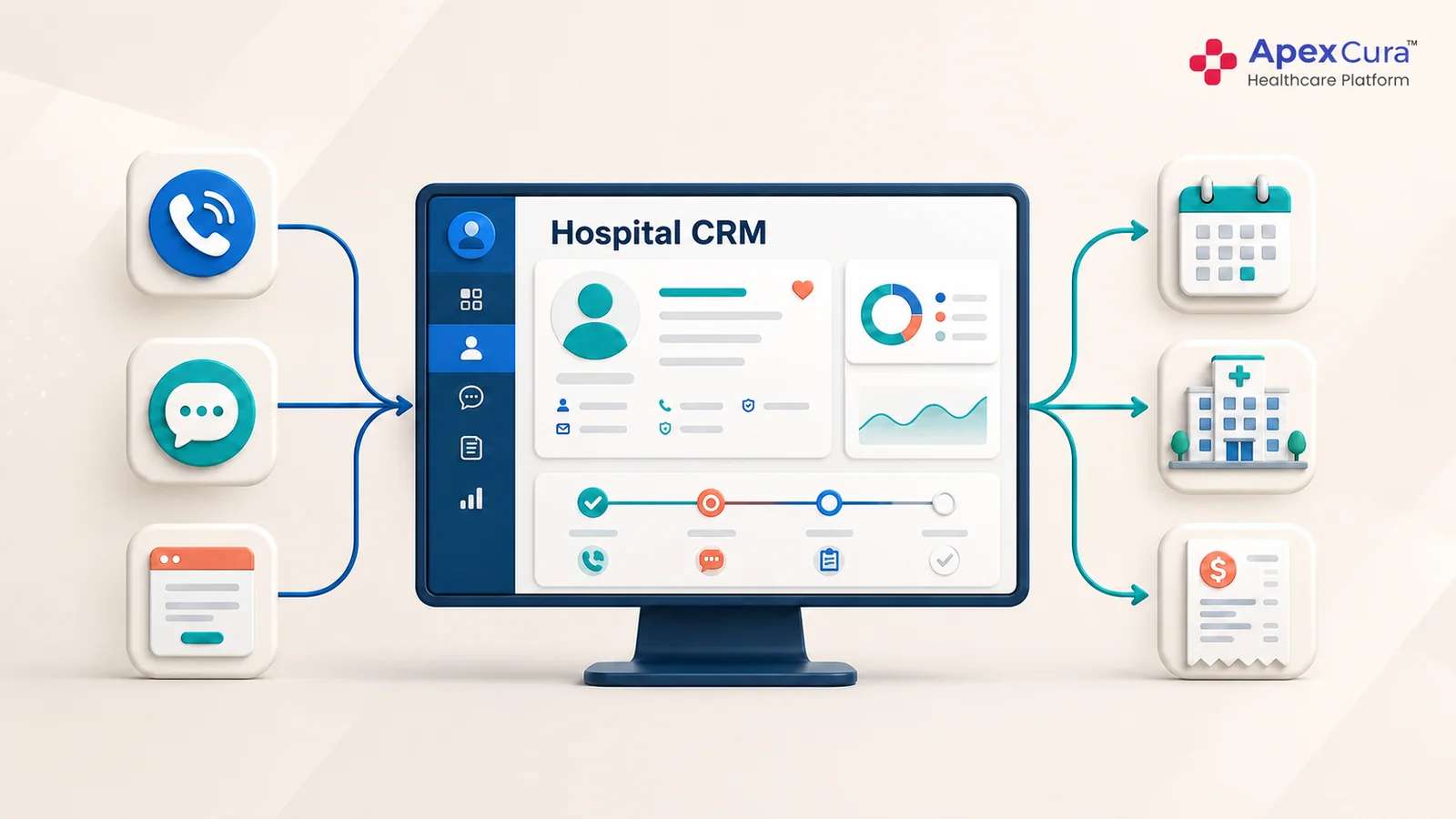
Calls and messages contain useful information, but CRM workflows need clear fields and next actions. AI can convert conversation content into a suggested enquiry summary, service requirement, lead stage and follow-up task. Staff can review and correct these suggestions before using them. The structured record may include the patient’s preferred branch, requested doctor, expected callback and unresolved question. This reduces repeated typing and improves consistency across employees. The original interaction should remain linked for context and audit. AI CRM for Hospitals is most useful when it makes data capture easier while keeping authorised staff responsible for final updates.
Using AI to Improve Lead Management and Follow-Ups
Prioritising Patient Leads That Need Immediate Attention
Not every patient enquiry has the same urgency or readiness. AI can highlight conversations that mention immediate appointments, planned procedures, unresolved pain or a promised urgent callback.
Immediate need: It can also identify high-intent patients who asked for available dates or next steps. Hospital-defined rules should decide how these signals affect the work queue.
Patient intent: Staff must review clinical or sensitive situations through the correct process. Priority suggestions help teams focus during busy periods, but they should not silently replace existing escalation policies.
Human review: The objective is to bring important records forward before they become delayed among routine enquiries and general information requests.
Automating Follow-Up Tasks and Patient Communication
AI can suggest the next follow-up based on the conversation and current lead stage. It may create a callback task, reminder or draft message for staff review. Standard information, such as appointment confirmation or requested documents, can follow approved templates. More complex treatment or financial conversations should remain with trained hospital employees.
Every automated action needs a clear owner and visible status. Patients should not receive repeated messages from separate workflows. Useful automation removes routine administrative effort while preserving human control. It helps counsellors remember commitments and gives supervisors visibility into follow-ups that are due, completed or still waiting for action.
Identifying Missed Opportunities Before Leads Are Lost
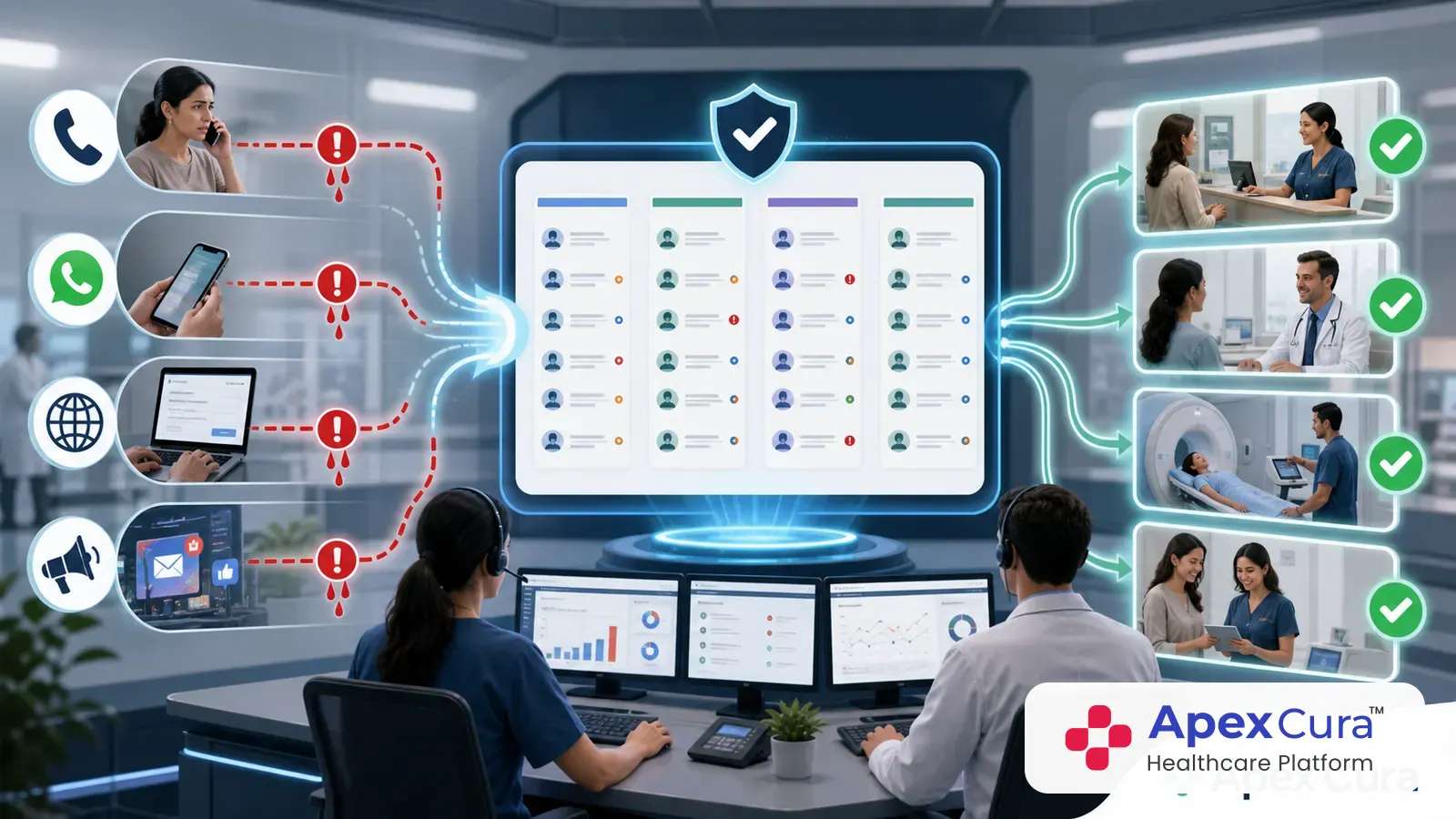
AI can monitor CRM activity for signs that a genuine enquiry is being neglected. Examples include an unreturned missed call, an incomplete follow-up, a promised callback without a task or a patient question without an answer.
- Conversation analysis may also find a service need that the employee did not record.
- These signals can enter a supervisor review queue before the lead becomes too old.
- Teams should validate each alert and record the corrective action.
- False or low-value alerts should be used to improve the rules.
- Early visibility helps hospitals recover actionable patient needs without waiting for complaints or month-end reports.
Use AI to structure patient enquiries, improve follow-ups and identify missed opportunities.
Explore Apex Healthcare CRMUsing AI for CRM Performance and Revenue Intelligence
Analysing Call-Centre and Counsellor Performance
AI can review interaction patterns across large call-centre and counselling teams. It may identify response quality, required information, promised actions and adherence to approved scripts or processes. Supervisors can use sampled conversations to confirm the findings and plan coaching. Performance review should consider enquiry type, shift, speciality and workload. One score should not replace human judgement. The useful outcome is a clearer view of recurring gaps, such as incomplete notes, weak next-step confirmation or inconsistent follow-up. Managers can then support employees with focused training and process improvements instead of relying only on random call checks or broad conversion totals.
Finding Patterns Behind Patient Drop-Off and Conversion
AI can compare conversation signals with later CRM outcomes to find common patterns. Converted patients may receive faster answers, clear doctor options or confirmed next steps.
Converted journeys: Dropped enquiries may show repeated transfers, missing information or unresolved cost questions. These are patterns for investigation, not automatic proof of cause.
Dropped journeys: Teams should review representative records and confirm what happened operationally. Segmenting findings by branch, speciality and channel provides better context.
Management review: This analysis can reveal issues that standard funnel reports do not explain. Hospitals can then test specific changes in communication, staffing, information access or follow-up and measure whether conversion improves.
Turning CRM Data Into Actionable Revenue Intelligence
AI can help management find acquisition opportunities and revenue leakage within large CRM datasets. It may highlight ageing high-intent leads, recurring no-show patterns, uncompleted counselling or services discussed but not followed up. Confirmed billing data can provide later outcome context where integrations allow.
Hospital teams decide whether an opportunity is valid and what action is appropriate. Patient choice and communication preferences must remain respected. The purpose is not to predict revenue without evidence.
It is to direct attention toward records and process gaps that deserve review. This helps managers move from broad dashboards to focused operational action.
Conclusion
AI CRM for hospitals can make calls, messages and follow-up activity easier to understand. It can structure enquiry details, suggest priorities and highlight missed actions. It can also help managers review team performance and investigate conversion patterns. Human review remains essential for patient communication, clinical context and operational decisions. The strongest use of AI is practical support: reduce manual effort, surface important information and help hospital teams act earlier on genuine patient needs and acquisition gaps.